Nancy Cunard: The Avant-Garde Woman Who Redefined Fashion, Power, and Cultural Identity
Some women follow culture, and others reorganize it.
Nancy Cunard belongs to the second category. Born into British aristocracy, she inherited not only wealth but a predefined structure of behavior, aesthetics, and expectation. Her early life aligned with these codes: soft silhouettes, controlled femininity, and social positioning shaped by lineage.
Paris disrupted that continuity.
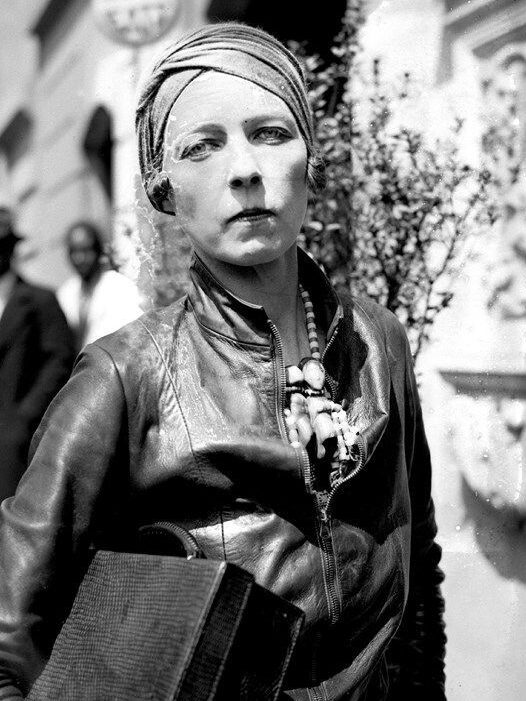
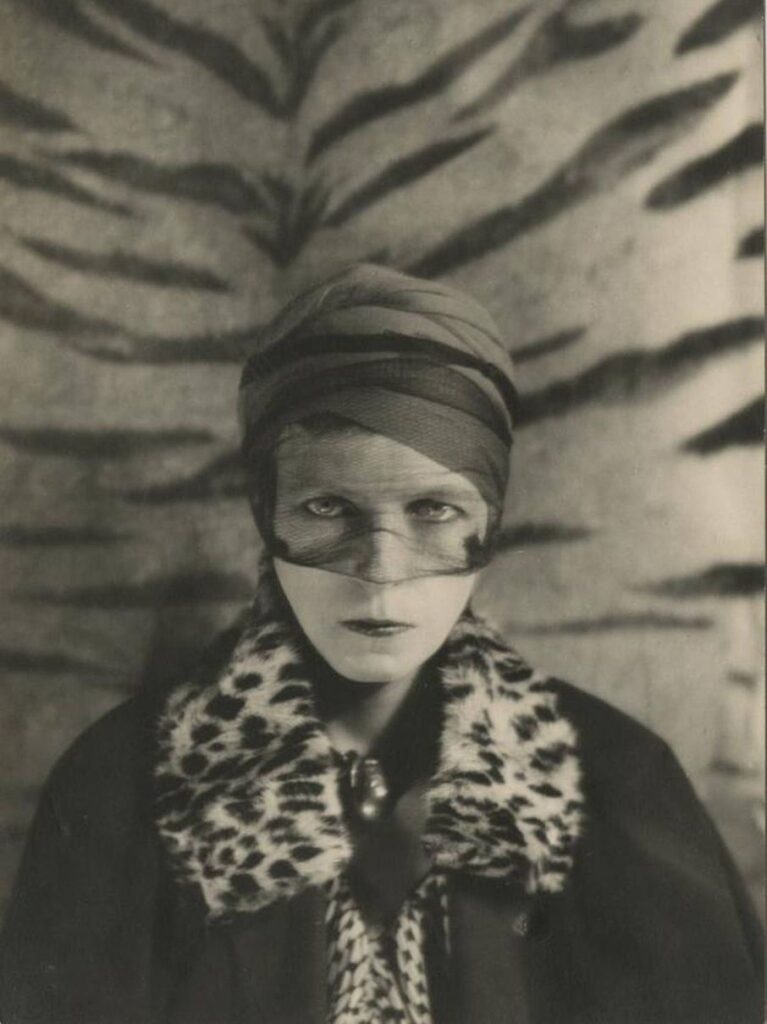
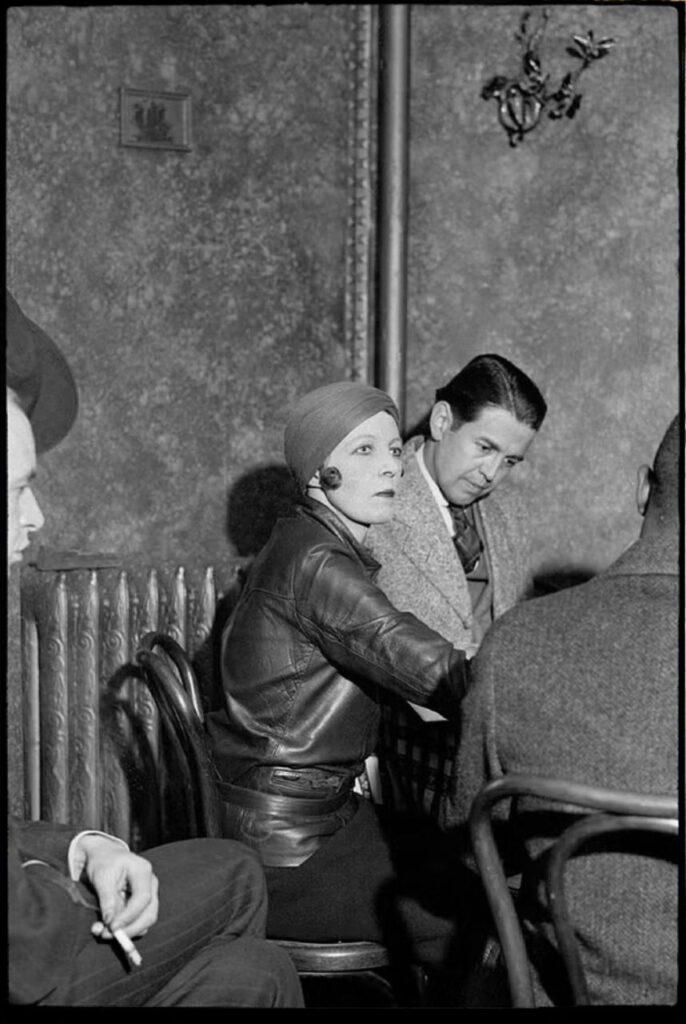
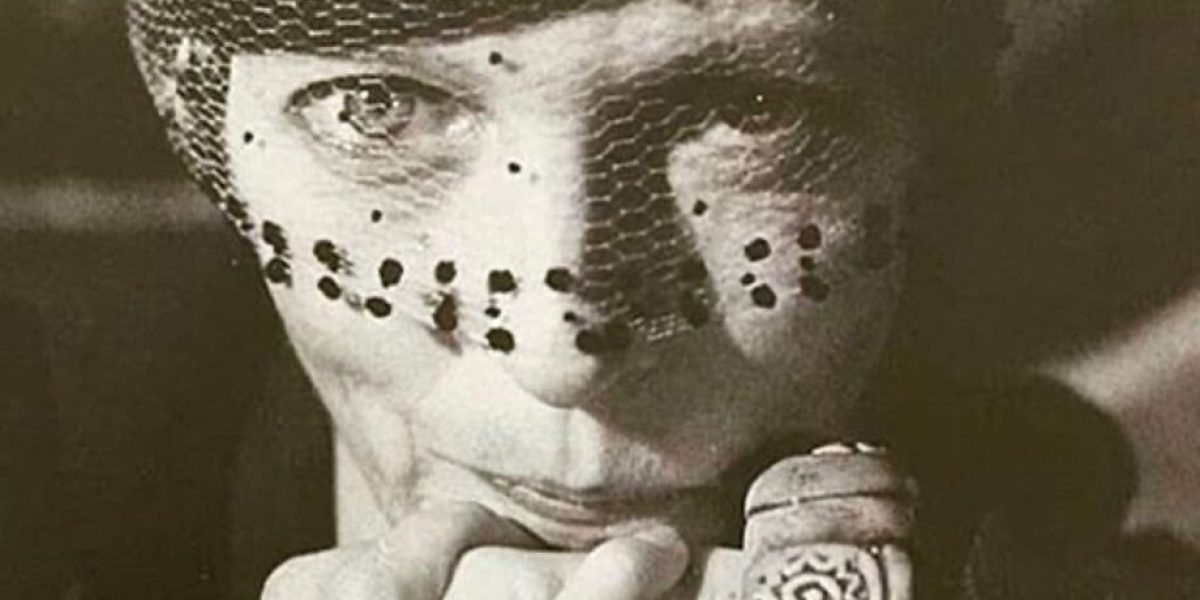
The relocation was not geographical alone. It was structural. Within the artistic and intellectual climate of Montparnasse, Cunard encountered a different hierarchy, one defined not by birth but by output, association, and presence. Her transformation followed with precision. The garçonne haircut, darkened eyes, deep red lips, and shortened hemlines signaled more than stylistic adaptation. They marked separation. A deliberate withdrawal from inherited identity.
Yet, what distinguished Cunard was not her adoption of modern fashion but her expansion beyond it. She introduced elements that the European fashion system had not yet validated. African jewelry, wooden bangles, bone and ivory cuffs, objects that existed outside the established hierarchy of luxury materials, became central to her visual language.
credit: unknown
credit: unknown
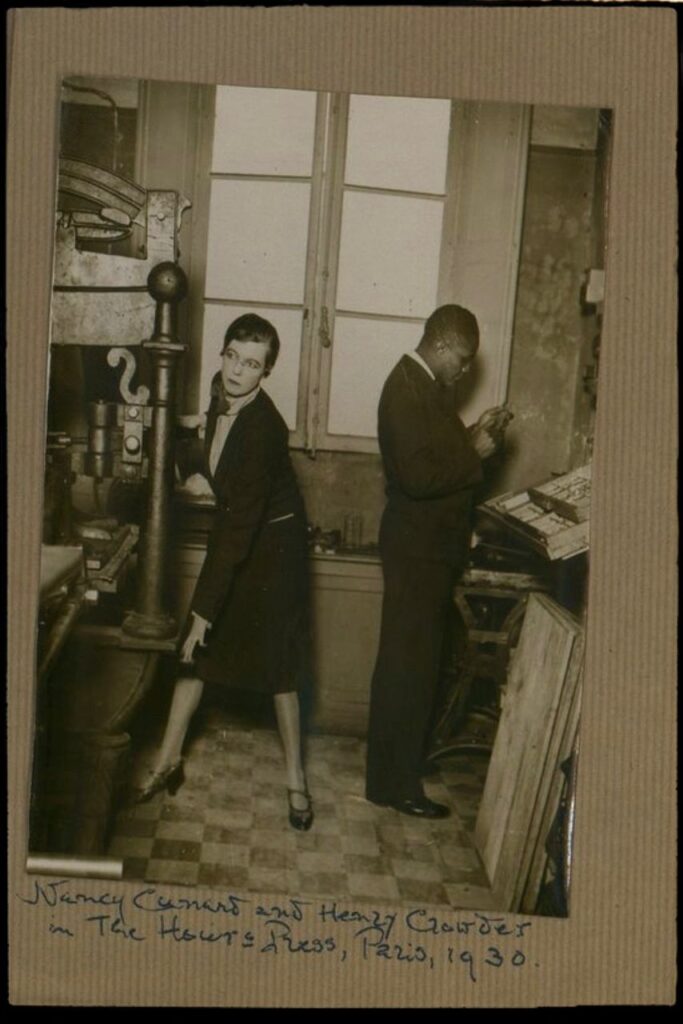
These choices were not random. They reflected an early understanding of cultural exchange as both aesthetic and political. While the industry would later reinterpret these influences through houses such as Boucheron, Cunard operated without institutional endorsement. She did not wait for permission. Parallel to her visual identity, Cunard constructed intellectual authority. Through Hours Press, she positioned herself within the literary avant-garde, publishing experimental voices including Samuel Beckett. Her editorial direction demonstrated a capacity to recognize emerging talent before institutional validation.
This instinct extended into her political work. Her anthology Negro functioned as both cultural documentation and intervention. At a time when Black writers were systematically excluded from mainstream European platforms, Cunard assembled a body of work that preserved and amplified voices such as Zora Neale Hurston and Langston Hughes. The project positioned her not as an observer, but as an active participant in the redistribution of cultural visibility.
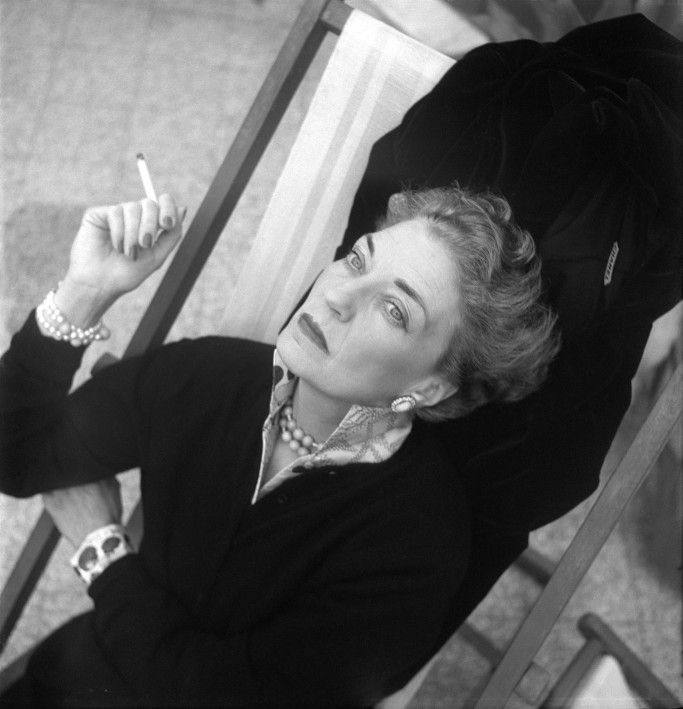
Her relationship with Henry Crowder intensified this positioning. Public reaction revealed the limitations of societal tolerance, exposing the intersection of race, class, and visibility in early 20th-century Europe. Cunard did not retreat from this tension. She moved further into it, transforming personal alignment into political engagement. Fashion, in her case, cannot be separated from ideology. Her body became a site of communication. Jewelry, posture, gesture, and movement operated collectively to construct a presence that resisted simplification.
credit: unknown
credit: unknown
credit: unknown
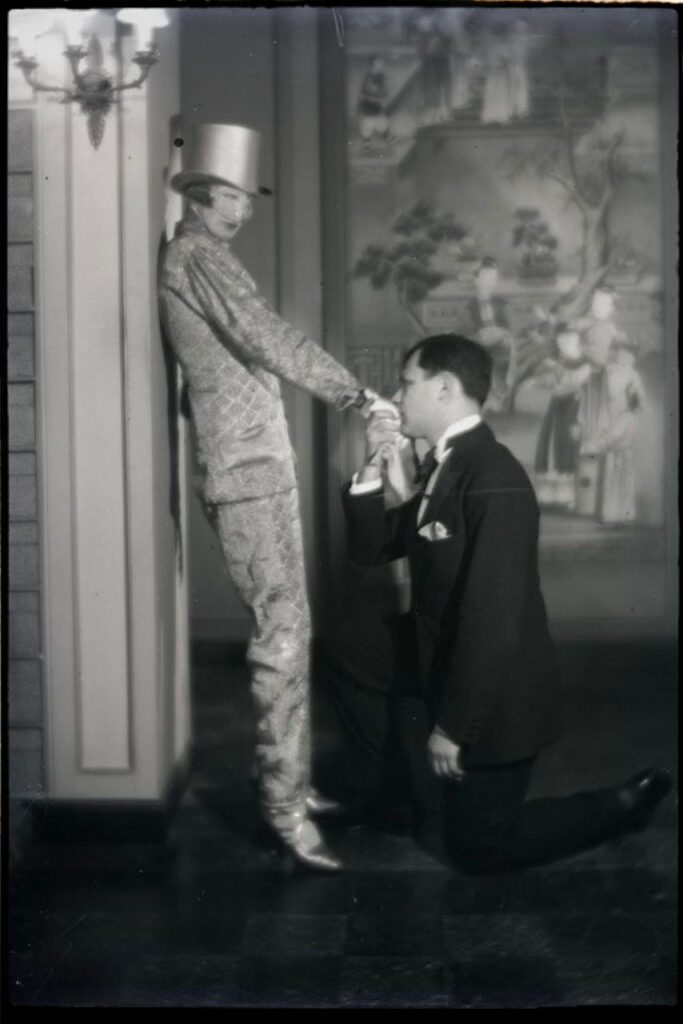
Observers often described her as difficult to categorize. This was accurate. Cunard did not aim for coherence within existing systems. She functioned through the accumulation of references, influences, and experiences—selecting and integrating elements that reinforced her autonomy. Her influence extended into artistic production. She became a reference point for writers, photographers, and sculptors, shaping visual and literary interpretations of modern femininity. Her presence within salons such as those of Natalie Clifford Barney positioned her at the intersection of multiple avant-garde movements.
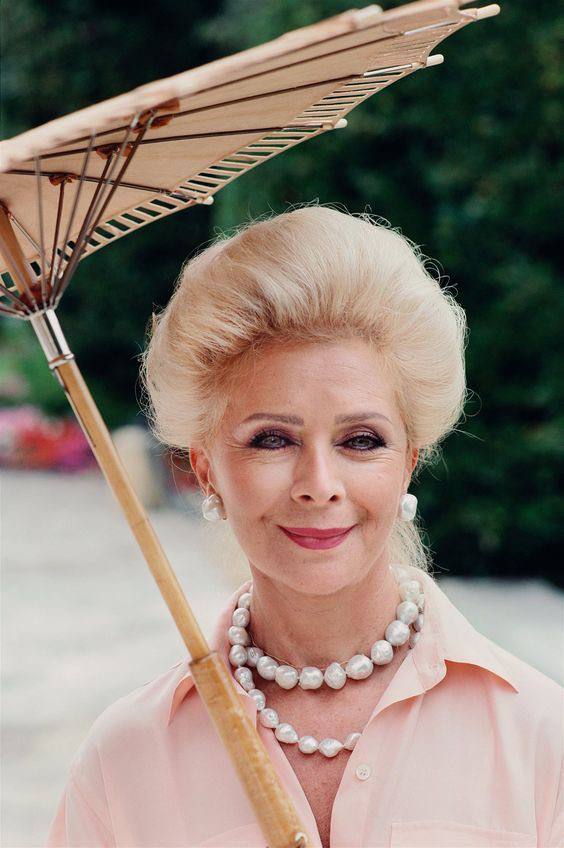
Yet, her trajectory does not resolve into stability. The same intensity that defined her output contributed to personal decline. Her later years reflect the cost of sustained resistance, psychological, physical, and social. This dimension does not diminish her impact. It complicates it. Nancy Cunard remains relevant because her life demonstrates that style, when constructed with intention, extends beyond appearance. It becomes a framework for positioning within culture. She did not embody perfection. She embodied direction.
If it sparks something in you, you already know where it goes.