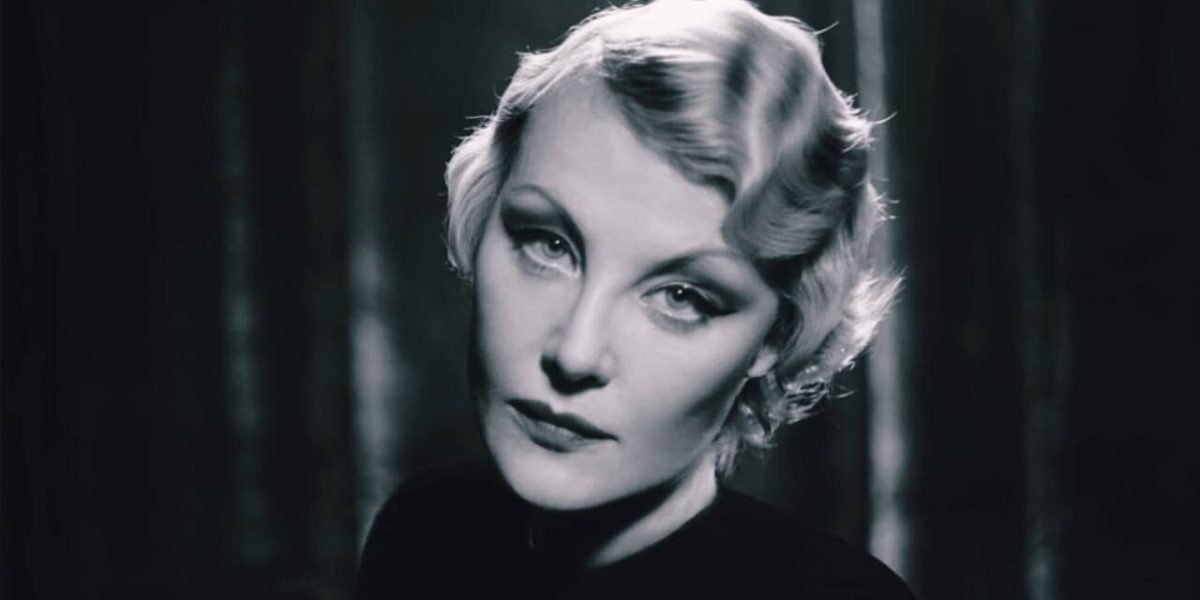
There are fashionable women.
There are stylish women. And then there are women who become visual archetypes.
Renata Litvinova belongs firmly in the third category.
To understand why, we must first separate fashion from identity. Fashion changes, but Identity accumulates. This distinction explains why many women appear fashionable for a season and visually disappear afterward, while others remain memorable for decades.
Renata Litvinova is memorable because she constructed something far more ambitious than a wardrobe. She constructed a mythology.
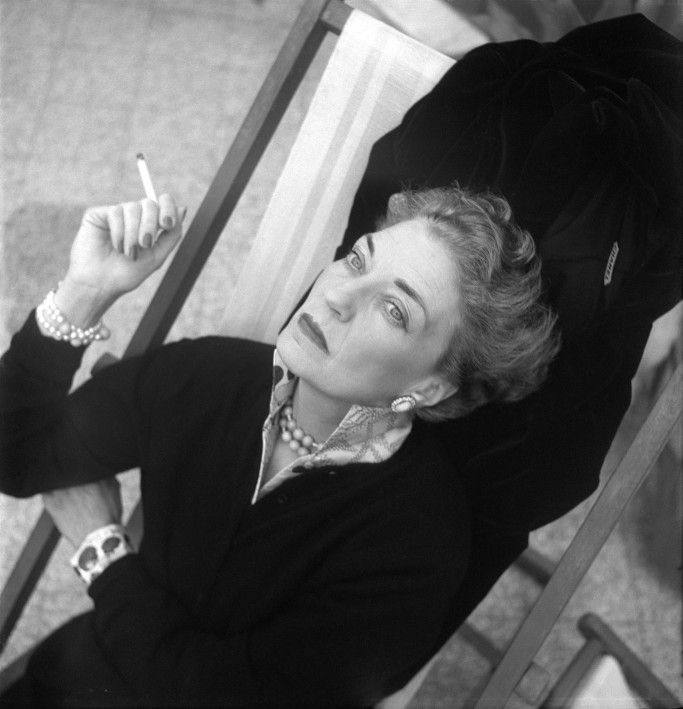
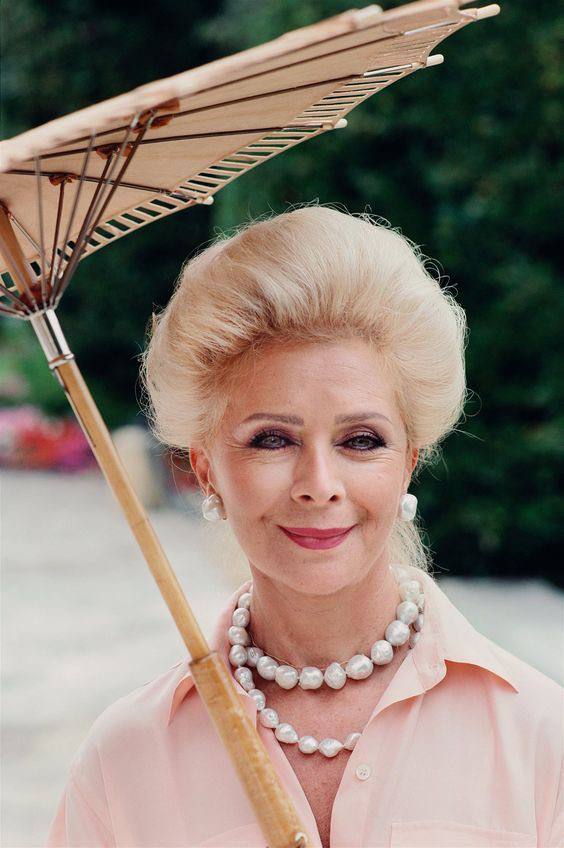
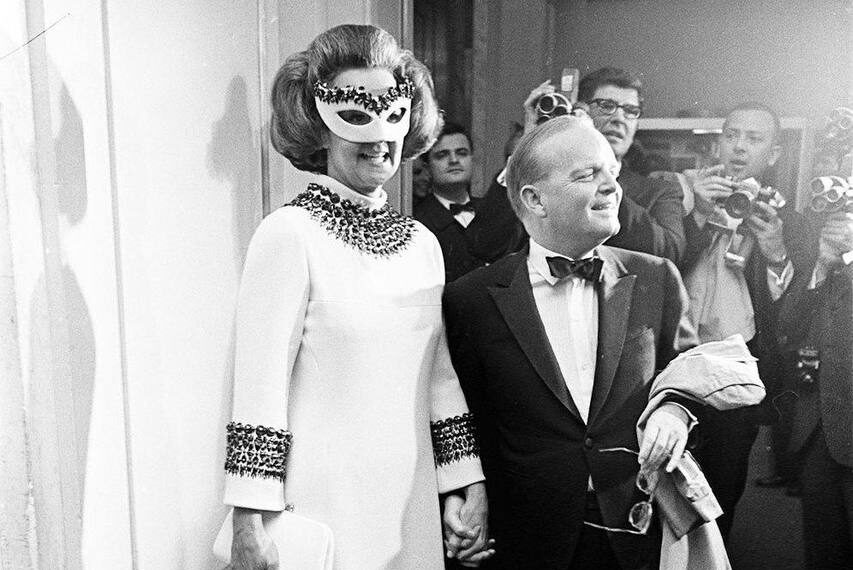
Looking at photographs of her today often creates a strange sense of temporal confusion. One image can feel as though it belongs simultaneously to contemporary Paris, post-war Hollywood, Soviet cinema, and an unwritten film noir script.
She appears both modern and detached from modernity. This quality cannot be explained through clothing alone. It emerges from a deliberate relationship between style, storytelling, memory, and repetition.
Modern fashion culture rewards speed. Aesthetic trends appear and disappear at unprecedented rates. Individuals move through identities almost as quickly as they move through social media feeds.
Under these conditions, consistency often appears radical. Renata chose consistency. Rather than continuously reinventing herself, she refined herself. Throughout decades of public visibility, she returned repeatedly to the same emotional vocabulary: dramatic femininity, controlled glamour, melancholy elegance, sharp tailoring, satin surfaces, sculptural outerwear, glossy waves, pale skin, and cinematic restraint. These elements eventually fused into something larger than fashion.
They became recognition. What makes this achievement remarkable is that the references behind her image are extraordinarily diverse.
One can identify traces of old Hollywood glamour, Soviet cinema heroines, gothic romanticism, post-Soviet intellectual culture, French elegance, theatrical performance, and art-house film aesthetics. Yet the final result never feels derivative. The influences disappear into the character. This transformation from inspiration into identity is where true style begins.
The process was gradual. Early photographs reveal a woman already fascinated by vintage glamour. The fascination is visible. The admiration is visible. The references remain visible. But something crucial had not yet happened. She had not fully become herself. Years later, a shift occurred. The silhouettes became sharper. The visual language became more disciplined. The emotional atmosphere became more coherent. Instead of collecting influences, she began editing them.


Fashion stopped being decoration and became authorship.
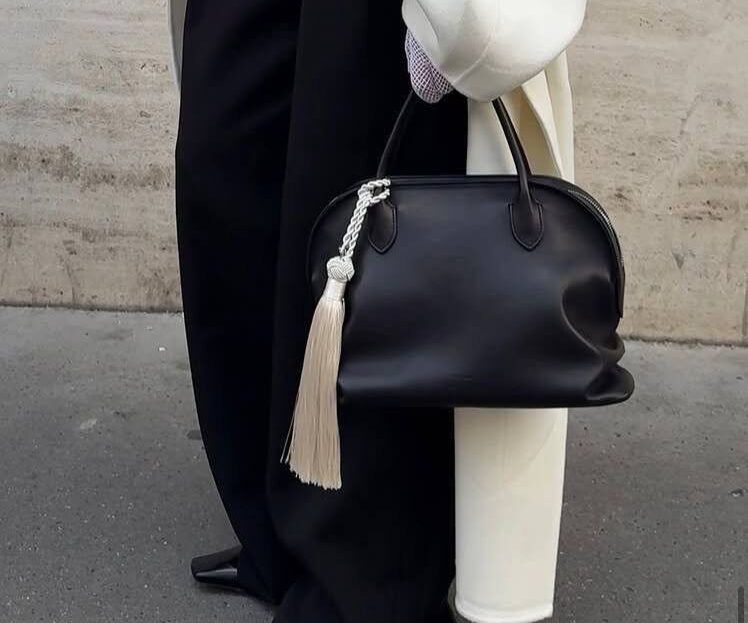
The relationship between Renata and contemporary fashion is particularly fascinating because she understands trends without serving them.
Many people imagine timeless style as a rejection of fashion. In reality, timeless style requires a sophisticated understanding of fashion. Renata observes trends carefully. She simply filters them through her own world. That distinction changes everything.
Rather than adapting herself to fashion, she adapts fashion to herself. As a result, every trend that enters her wardrobe emerges transformed.
The woman remains constant. The garments evolve around her. This is precisely why audiences continue to find her compelling. She offers something increasingly rare in contemporary culture:
Visual certainty. In a world constantly asking people to reinvent themselves, Renata Litvinova demonstrates the power of commitment.
Not commitment to fashion. Commitment to identity. And perhaps that is the deepest luxury of all. The luxury of knowing exactly who you are.
If it sparks something in you, you already know where it goes.