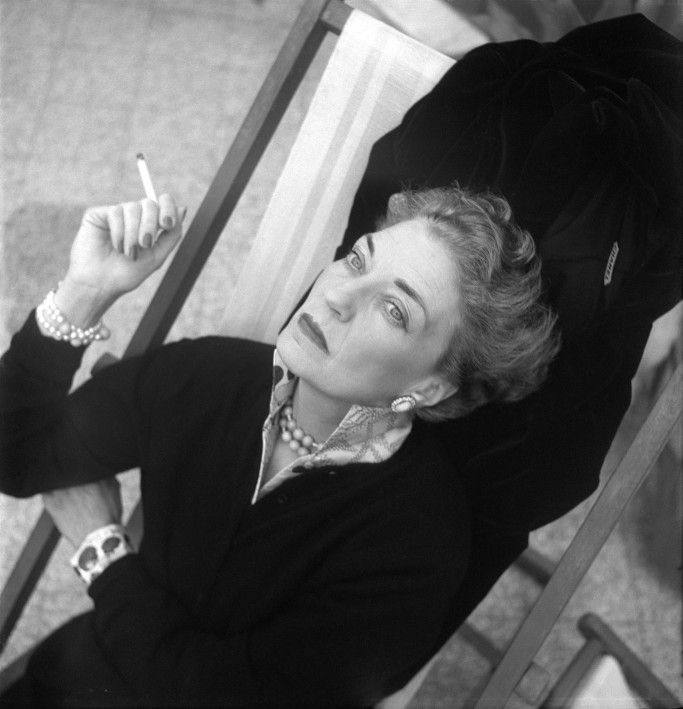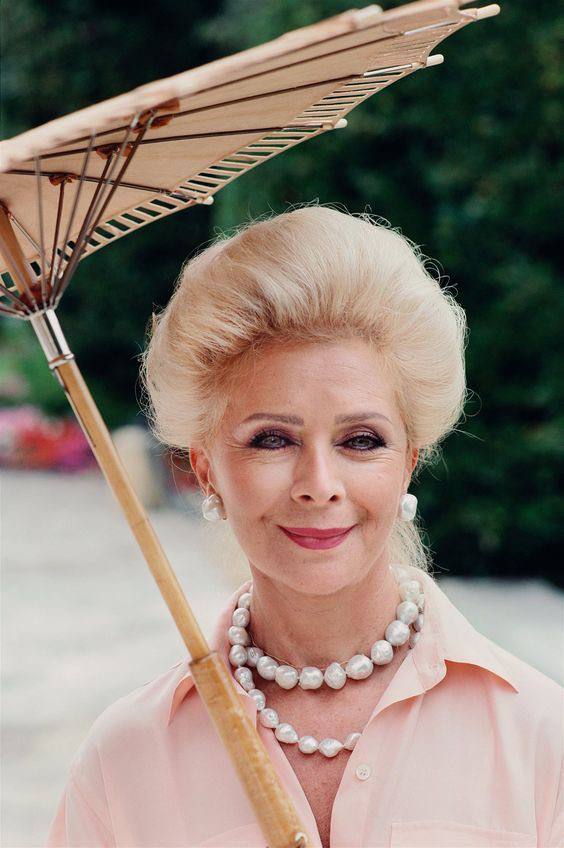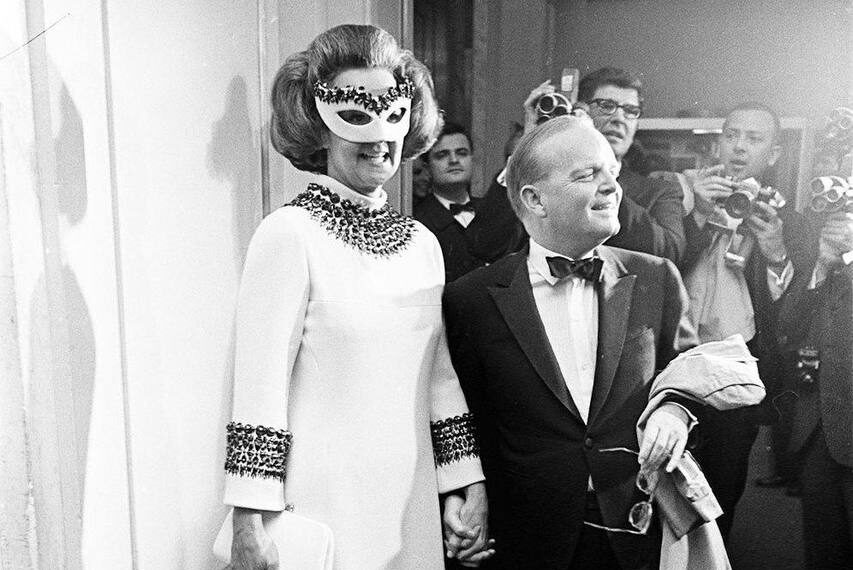
Luxury is often discussed as though it begins with money. In reality, money only determines access. Taste determines everything that follows. It decides what deserves to remain in a room, what deserves to disappear, what belongs together, and ultimately what kind of world a person builds around herself. This distinction explains why some magnificent houses feel strangely empty despite their value, while others leave visitors with the impression that every object has quietly earned its place over decades. The difference lies not in acquisition but in selection. Few women embodied this principle more completely than Lily Safra.
To remember Lily Safra simply as one of the wealthiest women of her generation would be to overlook the quality that truly distinguished her. Wealth explains ownership; it does not explain discernment. Many collectors possess extraordinary financial resources. Very few develop an eye capable of recognizing beauty across centuries, cultures, artistic movements, and materials while maintaining remarkable consistency. Throughout her life, Lily Safra demonstrated that rare ability. Whether choosing a seventeenth-century cabinet, a Belle Époque Cartier necklace, a Giacometti sculpture, or a strand of cultured pearls, she appeared to pursue the same idea repeatedly: elegance built upon craftsmanship, history, proportion, and permanence.
Walking into one of her residences was never comparable to entering a museum assembled around investment value alone. Visitors frequently described an atmosphere that felt remarkably personal despite the historical significance of the objects surrounding them. Paintings by Pablo Picasso, Claude Monet, Henri Matisse, and Alberto Giacometti certainly attracted admiration, yet they never overwhelmed the rooms themselves. Furniture, porcelain, silver, sculpture, textiles, decorative arts, and jewelry interacted naturally, each contributing to a larger visual conversation. Nothing appeared collected for spectacle. Everything appeared chosen because it belonged within the same aesthetic language.
This quality deserves attention because contemporary collecting often moves in the opposite direction. Modern luxury encourages accumulation. Auction records, waiting lists, social media, and constant product launches reward visibility rather than coherence. Collections increasingly become demonstrations of purchasing power instead of reflections of cultivated judgment. Lily Safra represented another tradition entirely. Her collection was never simply extensive. It was remarkably edited.
The roots of that philosophy became even more visible after her marriage to Edmond J. Safra in 1976. Edmond Safra had already established himself as one of the world’s most respected international bankers, while Lily possessed an instinctive appreciation for beauty that extended far beyond decoration. Their partnership created an environment in which collecting became a shared intellectual pursuit rather than a financial exercise. During twenty-three years together, they assembled one of the most admired private collections of art and decorative objects in the world, yet those acquisitions rarely felt disconnected from daily life. Their residences were not arranged as exhibition halls designed to impress visitors from a distance. They remained homes, places where beauty participated in conversation, hospitality, memory, and routine.
Perhaps nowhere was this more evident than at Villa La Leopolda on the French Riviera. Frequently described as one of the world’s most extraordinary private residences, the villa became synonymous with elegance during the Safras’ ownership. Yet the house itself tells only part of the story. Magnificent architecture alone cannot produce atmosphere. It requires human judgment to determine how a room should feel when occupied, how morning light should interact with polished wood, how sculpture should converse with landscape, and how centuries of craftsmanship can coexist without becoming theatrical. Lily Safra understood these relationships instinctively.
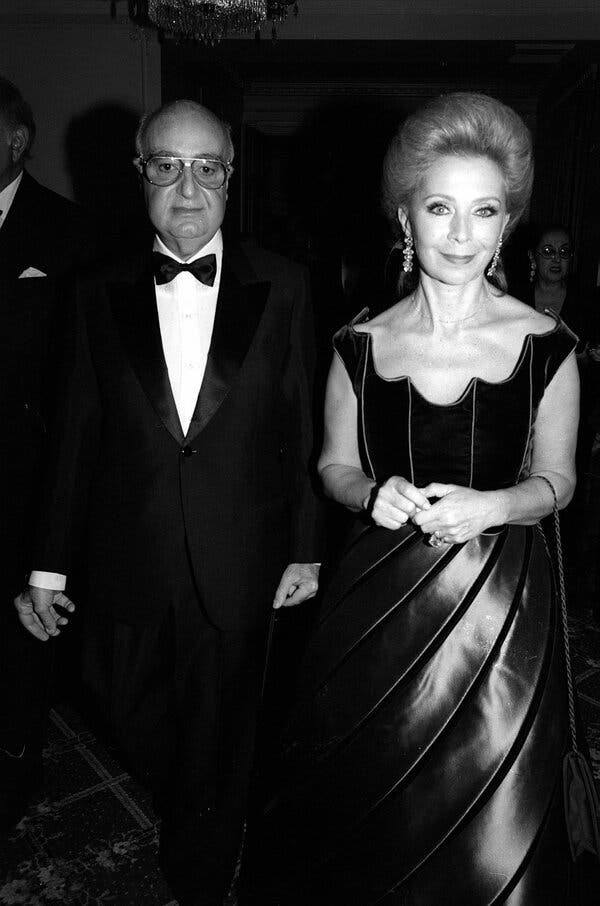
Guests invited to her dinners often remembered far more than individual masterpieces. They remembered generosity, conversation, warmth, and extraordinary hospitality. This may explain why so many remarkable figures repeatedly appeared around her table. Artists, diplomats, politicians, philanthropists, designers, musicians, business leaders, and members of European high society found themselves sharing the same rooms. Elton John, Carolina Herrera, Margaret Thatcher, Michael Bloomberg, and numerous international cultural figures became part of a social circle defined less by exclusivity than by genuine intellectual curiosity. Lily Safra possessed an increasingly rare social quality: she listened.
Listening may seem unrelated to collecting, yet the two require similar disciplines. Both demand patience. Both require resisting immediate judgment. Both reward careful observation over impulsive reaction. Friends frequently described Lily as someone who allowed others to feel genuinely heard regardless of language, nationality, or profession. This ability transformed entertaining into something much deeper than social performance. Her dinners became environments where ideas circulated as naturally as exceptional wines or remarkable works of art.
Her sensitivity toward objects followed a similar pattern. Rather than pursuing famous names alone, she consistently demonstrated fascination with craftsmanship itself. Consider the remarkable scarlet japanned German bureau cabinet dating from approximately 1730 that formed part of her collection. At first glance, visitors admired its extraordinary scale and elaborate decoration. Yet closer observation revealed something more intellectually satisfying. European craftsmen, fascinated by imported Asian lacquerwork yet lacking access to identical materials, developed the technique known as japanning in an effort to reinterpret Eastern craftsmanship through Western methods. The cabinet, therefore, represented not only Baroque decoration but also cultural exchange, technological experimentation, and artistic adaptation. Lily appeared attracted to precisely these layered narratives.
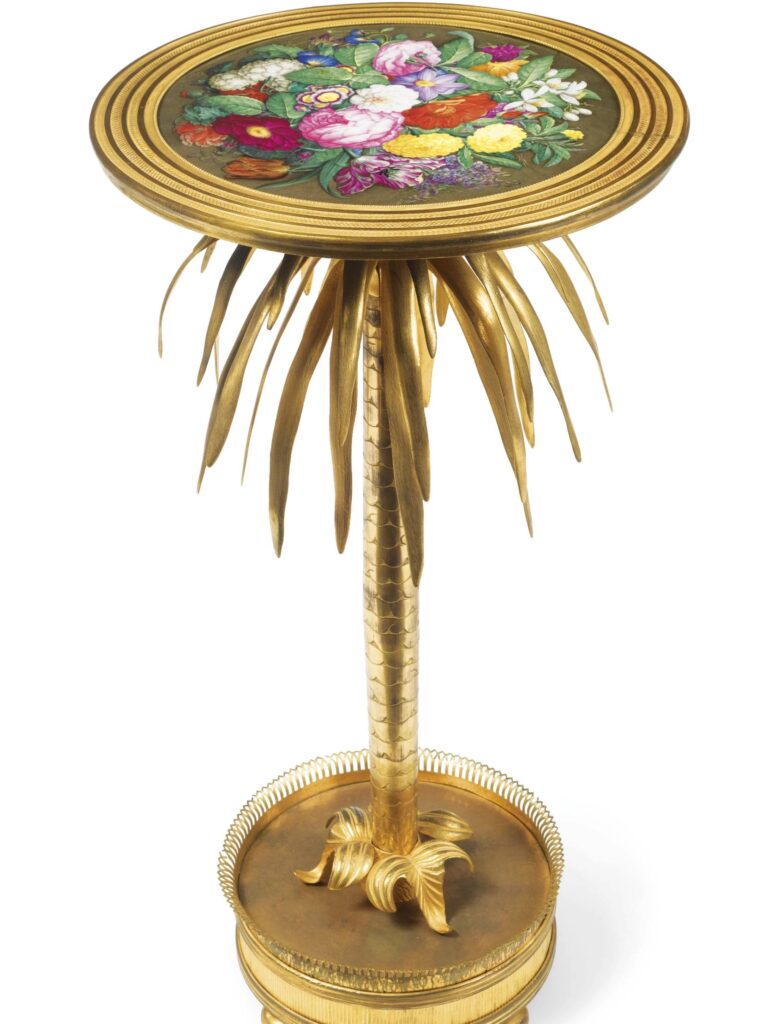
The same curiosity emerged repeatedly throughout her collection. A magnificent neoclassical guéridon carrying an exceptional porcelain plaque traced its origins to King Friedrich Wilhelm III before entering the Russian imperial court through Empress Maria Feodorovna. Another extraordinary writing bureau associated with Louis XV displayed exquisite Chinese lacquer panels integrated into French eighteenth-century cabinetmaking. Such furniture functioned simultaneously as artistic achievement, political history, technological innovation, and international dialogue. Collecting these pieces required considerably more than financial capacity. It required historical imagination.
Jewelry occupied a similarly significant place within her visual universe. Yet here again, Lily Safra’s choices revealed remarkable consistency. She rarely appeared interested in gemstones merely because they were large or expensive. Instead, craftsmanship repeatedly emerged as the guiding principle. Antique Colombian emerald necklaces, nineteenth-century snake bangles, Belle Époque Cartier masterpieces, extraordinary creations by JAR, Chaumet rubies, colorful retro compositions, and refined pearl necklaces all demonstrated an appreciation for artistic design equal to material rarity.
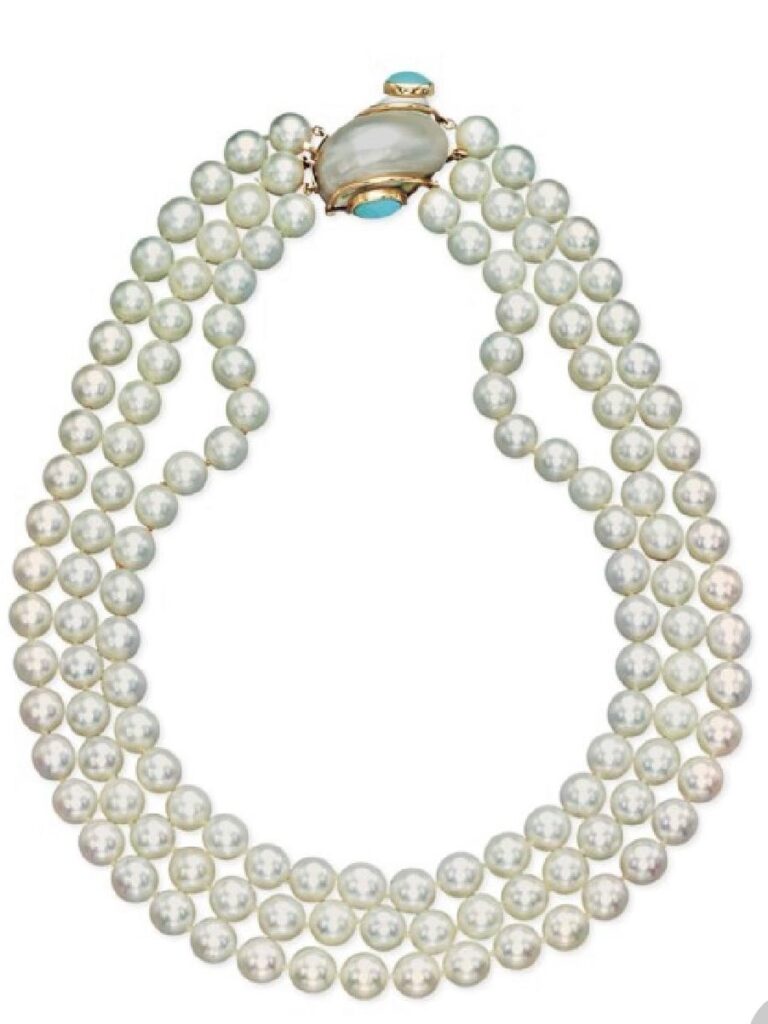
One remarkable characteristic immediately becomes apparent while studying her jewelry collection as a whole. Unlike many important private collections built around a single gemstone or historical period, Lily Safra embraced diversity without sacrificing coherence. Emeralds, rubies, sapphires, pearls, turquoise, enamel, diamonds, tourmalines, gold, platinum, and silver coexist naturally throughout her collection. Such variety might easily have produced visual inconsistency. Instead, every object appears connected through proportion, craftsmanship, and refinement. She collected beauty rather than categories.
This principle perhaps explains why her famous Cartier Belle Époque necklace remains so compelling. The piece embodies everything that fascinated Lily Safra: historical continuity, delicate workmanship, graceful movement, floral references, exceptional gemstones, and architectural balance. Inspired by eighteenth-century garlands, lace, foliage, and bows, the necklace demonstrates how jewelry can preserve historical memory while remaining visually contemporary more than a century later. It represents a design capable of surviving fashion precisely because it was never created to follow fashion in the first place.
The same observation applies equally to her celebrated JAR flower brooches. Joel Arthur Rosenthal has long rejected conventional luxury aesthetics, preferring sculpture, color relationships, and natural forms over obvious extravagance. Lily Safra’s appreciation for his work, therefore, feels entirely logical. Both shared an understanding that true luxury rarely announces itself loudly. Instead, it rewards prolonged observation. The longer one studies exceptional craftsmanship, the more extraordinary it becomes.
This philosophy ultimately distinguished Lily Safra from many celebrated collectors of her generation. She did not assemble a collection simply to possess masterpieces. She assembled a world in which every masterpiece belonged naturally beside another. Beauty became not an isolated object but an environment, one carefully cultivated over decades through patience, knowledge, curiosity, and remarkable visual intelligence.
If it sparks something in you, you already know where it goes.