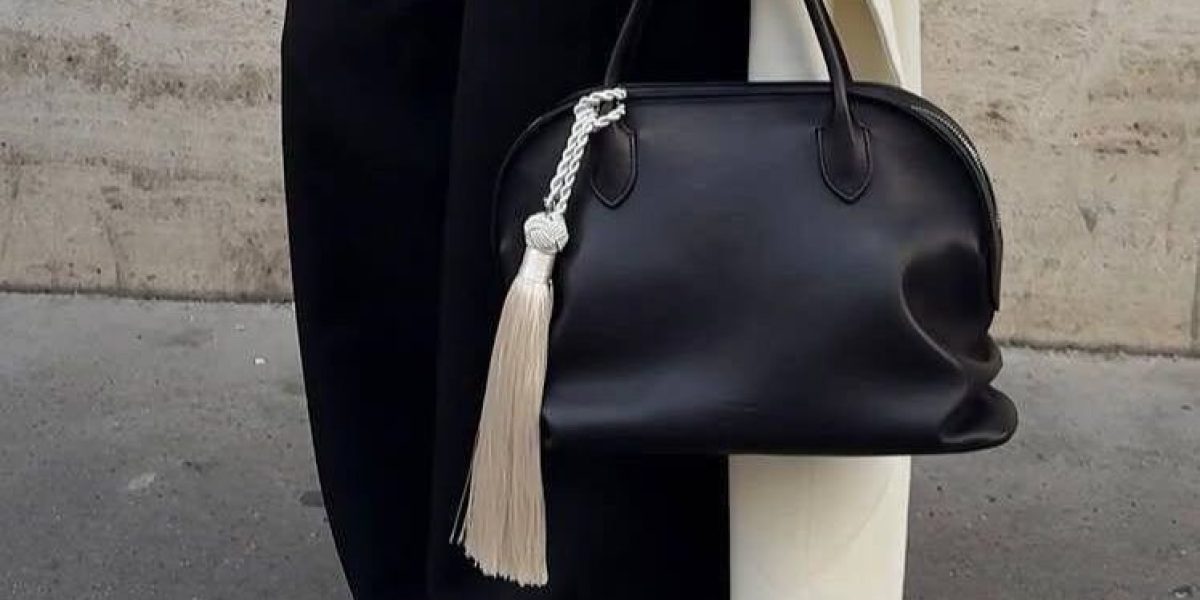
A handbag can make a wardrobe appear sophisticated, cultivated, and memorable.
Yet it can also weaken an otherwise beautiful wardrobe.
What makes this observation particularly interesting is that the difference rarely comes from price alone. It rarely comes from the logo, the waiting list, the scarcity of the item, or even the prestige of the fashion house behind it. Two women may carry handbags of comparable value and create entirely different impressions. One appears refined and assured. The other appears overwhelmed by her own possessions. The distinction is subtle, yet immediately visible.
This is because handbags occupy a unique position within a wardrobe. Unlike clothing, which often changes according to season, occasion, climate, or lifestyle, handbags function as recurring visual anchors. They accompany us repeatedly. They appear in photographs, meetings, restaurants, airports, galleries, and daily routines. They become associated with our image in a way that many garments never do.
As a result, a handbag collection reveals something far more interesting than purchasing power.
It reveals judgment.
For decades, luxury handbags were largely discussed through the lens of ownership. The conversation centered around acquisition. Which bag had the longest waiting list? Which house represented the highest social status? Which model was the most difficult to obtain? Which logo communicated the strongest message?
The luxury landscape of the twenty-first century looks very different.
Today, information moves faster than products themselves. A new handbag launched in Paris can be seen in Seoul, New York, Dubai, London, and Tokyo within minutes. Fashion enthusiasts no longer discover trends slowly through magazines and boutiques. They encounter them continuously through social media, digital campaigns, celebrity appearances, and algorithmic recommendation systems.
This unprecedented access has changed the meaning of luxury.
When everyone can see the same products at the same moment, distinction gradually shifts away from ownership itself and toward selection. The question is no longer simply whether a woman can purchase something. The question becomes whether she knows why she is purchasing it. This transformation has elevated curation into one of the defining luxury skills of our time.
The most elegant wardrobes are rarely the largest or the most expensive. They are rarely the most trend-driven. Instead, they display a remarkable sense of coherence. Every object appears connected to a larger visual language. Every addition feels intentional rather than accidental.
This principle becomes especially visible when discussing handbags because handbags are often purchased emotionally.
A woman encounters a beautiful campaign. A celebrity appears carrying a particular silhouette. Social media suddenly becomes filled with a specific shape, color, or hardware detail. Without realizing it, she begins responding not necessarily to the object itself, but to the excitement surrounding it.
Fashion has always functioned partially through desire.
There is nothing inherently wrong with this. The problem emerges when desire becomes the only criterion. Without criteria, every beautiful object appears necessary. With criteria, decisions become dramatically easier. The difference between a strong handbag collection and a chaotic one is often nothing more than the presence of a clear framework.
The women whose collections remain elegant over decades understand this instinctively. Before evaluating trends, they evaluate compatibility. Before evaluating popularity, they evaluate longevity. Before evaluating status, they evaluate relevance to their personal style.
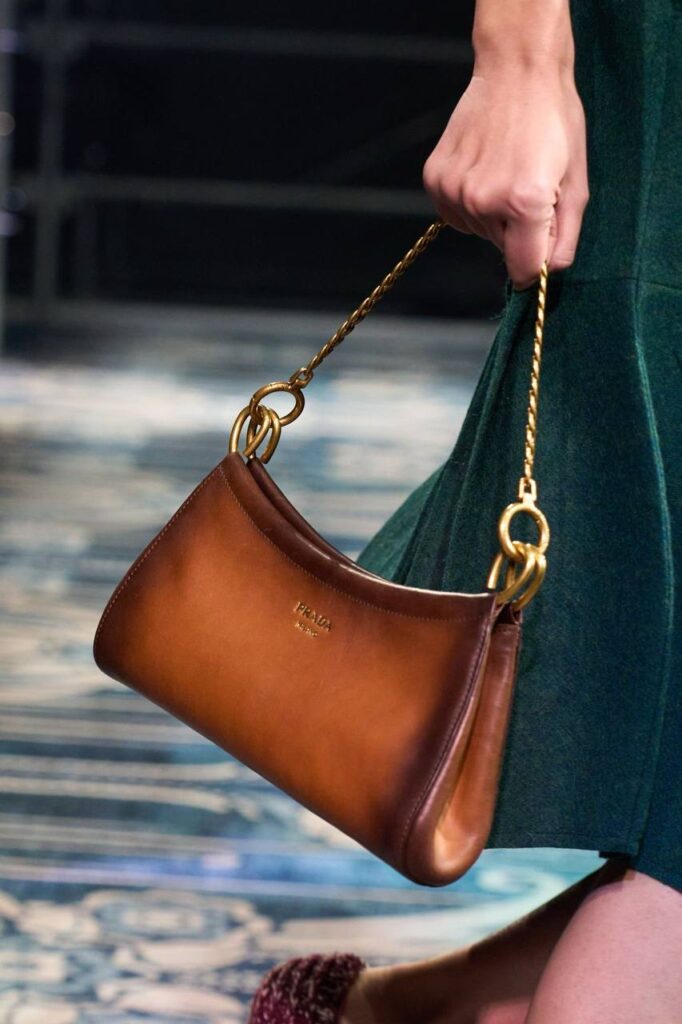
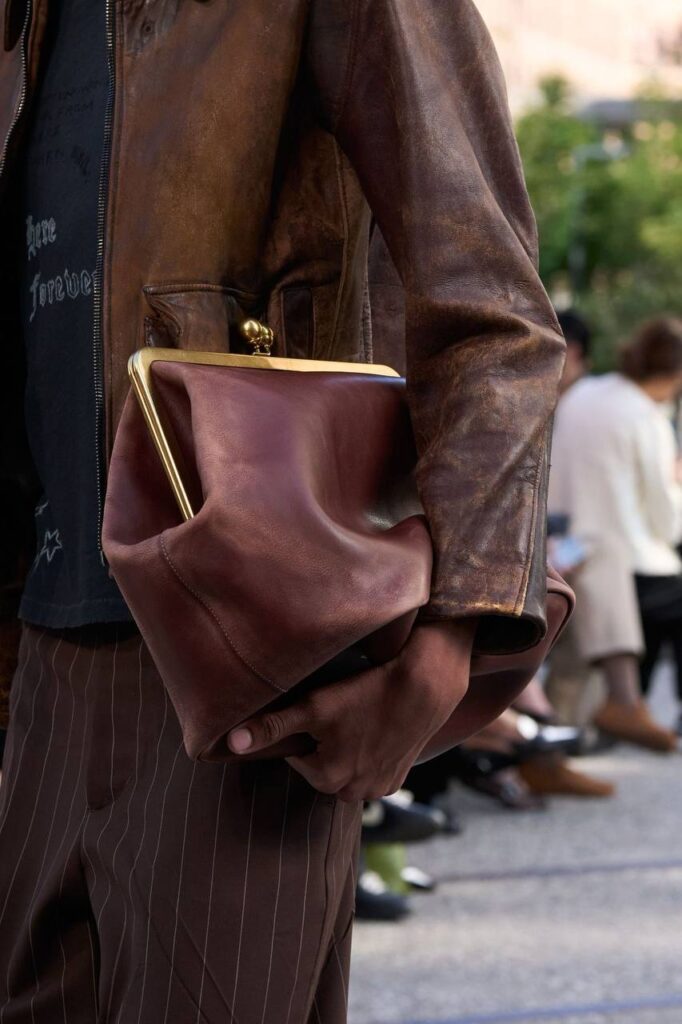
The women whose collections remain elegant over decades understand this instinctively. Before evaluating trends, they evaluate compatibility, and before evaluating popularity, they evaluate longevity and relevance to their personal style.
They ask different questions.
Does this fit my visual language?
Will this strengthen my existing wardrobe?
Will I enjoy carrying it five years from now?
Does it contribute something meaningful?
Can I imagine it becoming part of my life rather than simply part of a trend cycle?
These questions redirect attention toward long-term value. And long-term value is rarely limited to financial considerations. Sometimes it is emotional, practical, or it is just about aesthetics.
The most successful handbags often satisfy all three simultaneously. They remain beautiful, useful, and personally relevant. One of the most overlooked aspects of handbag selection is silhouette. Many consumers focus first on color, branding, or popularity. Yet shape is often the first element perceived by the eye. Long before we notice stitching, hardware, or craftsmanship, we recognize proportion. Human beings respond instinctively to shape.
This is why certain handbags survive decades while others become immediately associated with a specific year or season. Strong silhouettes possess a sense of visual balance. They feel complete without excessive decoration. Their appeal exists independently of trends because their proportions satisfy deeper aesthetic principles.
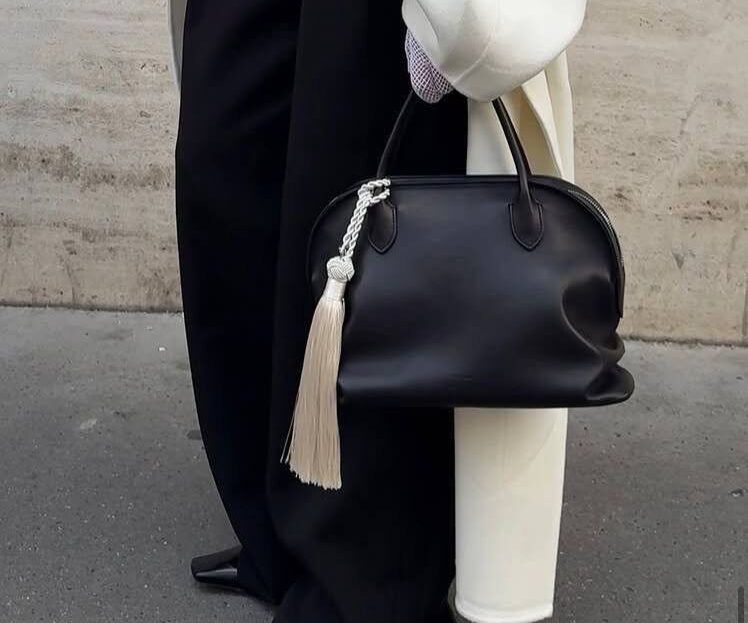
A beautifully structured top-handle bag, an elegant shoulder bag, or a refined east-west silhouette often remains relevant not because it is traditional, but because its proportions interact harmoniously with the human figure. Timelessness should not be confused with conservatism.
Some of the most enduring handbag designs were innovative when they first appeared. What allowed them to survive was not familiarity but coherence. Their creators understood proportion, rhythm, balance, and visual tension. This is where handbags begin approaching architecture.
The relationship may appear surprising at first, yet both disciplines rely upon remarkably similar principles. Architects think in terms of structure, proportion, volume, and composition. Exceptional handbag designers do the same. A handbag inspired by geometric concepts or architectural forms may age far better than one designed merely to capitalize on a temporary trend.
The reason is straightforward. Trends rely on novelty. Design relies on principles. Novelty fades quickly, but Principles rarely do.
When evaluating a potential purchase, it can therefore be useful to perform a simple mental exercise. Remove the logo. Remove the campaign imagery. Remove the celebrity endorsement. Remove the social media attention. What remains? Does the silhouette still feel beautiful? Does the object still communicate intention?
The answers often reveal more than any review or trend forecast ever could. Structure deserves equal attention. While silhouette determines outline, structure determines behavior. A structured handbag introduces clarity into an outfit. It creates visual discipline. It communicates purpose.
This explains why a beautifully constructed bag can elevate even relatively simple clothing. A tailored coat, a pair of well-cut trousers, and a thoughtfully designed handbag often create a stronger impression than an outfit overloaded with statement pieces.
Strong structure creates hierarchy. The eye understands where to look. The image feels intentional. Conversely, poorly considered structure often creates visual confusion. Bags that collapse awkwardly, lose their shape quickly, or appear disproportionate to their intended function rarely integrate seamlessly into sophisticated wardrobes.
Color introduces another layer of complexity. Color is deeply personal, yet certain strategies consistently produce stronger collections. The most versatile handbag collections typically begin with a foundation of adaptable neutrals. Black, espresso brown, deep chocolate, burgundy, olive, cream, taupe, and soft charcoal interact effortlessly with a wide variety of garments and seasonal palettes.
These shades create flexibility. They simplify styling decisions. They support the wardrobe rather than competing with it. This does not mean statement colors should be avoided. Some of the most memorable collections include extraordinary shades of emerald, saffron, oxblood, turquoise, cobalt, or plum.
A color selected because it reflects a woman’s aesthetic preferences often ages beautifully. A color selected solely because it dominates a particular season often struggles to remain relevant once the surrounding trend disappears.
The objective is coherence.
When colors relate naturally to one another, individual bags begin functioning as members of the same family rather than isolated purchases. The collection develops visual rhythm. It becomes easier to dress. Easier to style. Easier to maintain. Most importantly, it becomes yours recognizably.
This ultimately brings us back to the most important aspect of handbag collecting:
Identity.
The strongest collections are not built around fashion houses or trends. They are built around self-knowledge.
A woman who understands her preferences makes different decisions. She recognizes which objects belong in her life and which belong in somebody else’s. She stops purchasing for imagined futures and starts purchasing for real experiences. She stops chasing every release and begins refining a personal visual language.
Over time, this creates something far more valuable than a large collection. It creates consistency. And consistency is often what people describe when they refer to style. Not the ability to own many things. The ability to make those things belong together. The handbag, in this sense, becomes far more than an accessory. It becomes evidence of judgment.
Evidence of selection.
Evidence of a woman who understands that luxury is no longer defined by what is available to buy, but by what deserves a place in her life.
If it sparks something in you, you already know where it goes.