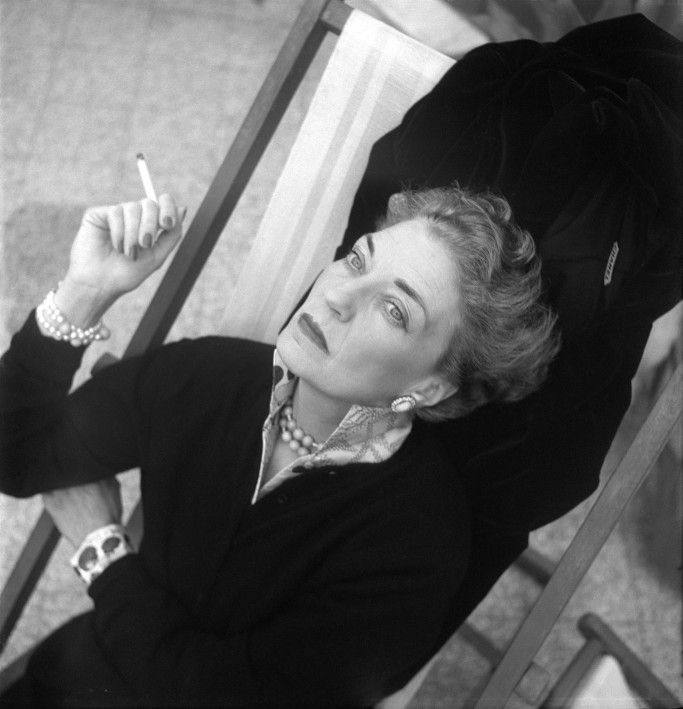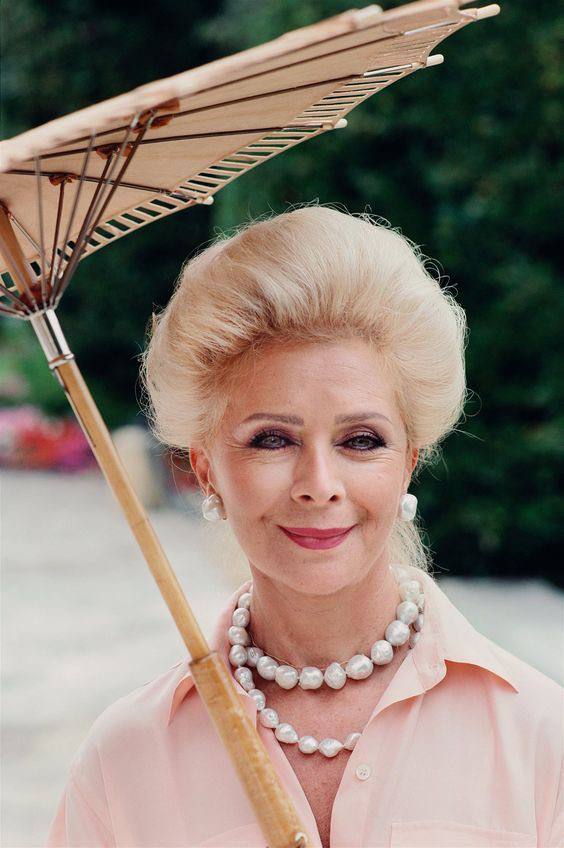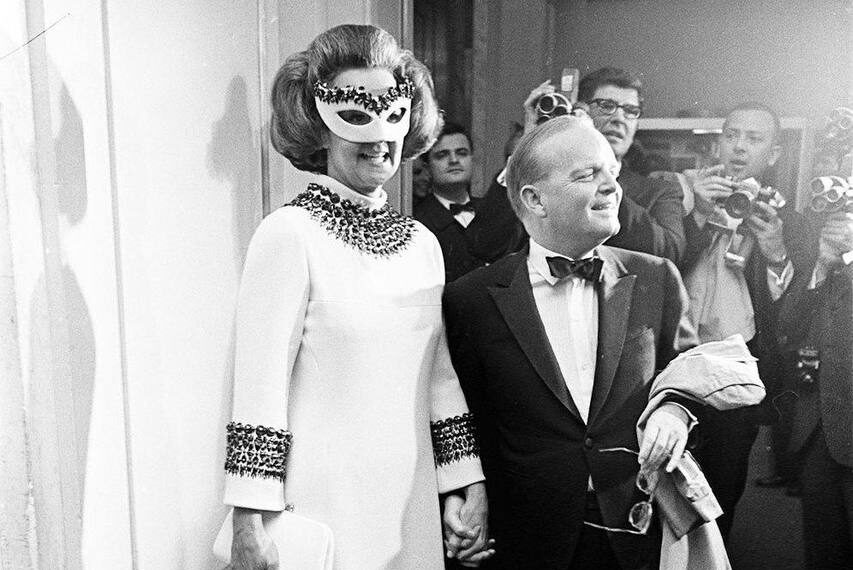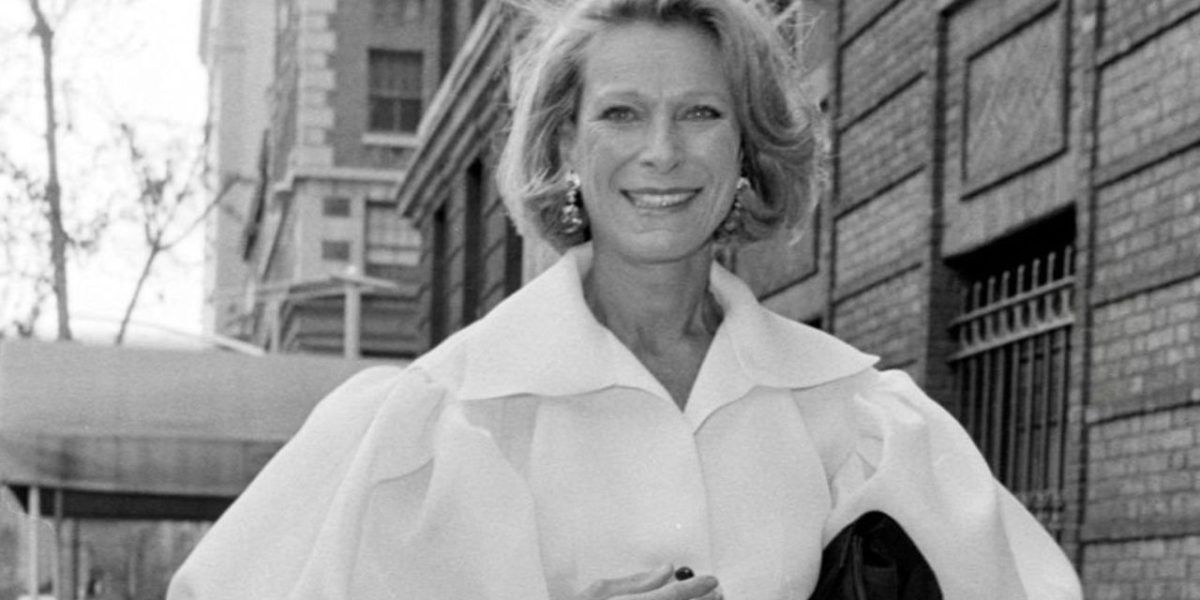
In the pantheon of twentieth-century fashion, few figures embody the alchemy of innate sophistication quite like Nan Kempner (1930–2005).
Dubbed by Diana Vreeland, the formidable arbiter of style and former editor-in-chief of Vogue, “There’s no such thing as a chic American woman. The one exception is Nan Kempner.” This singular endorsement from the era’s most discerning voice underscores a truth that transcended mere sartorial preference: Kempner possessed an instinctive grasp of chic that felt innate rather than cultivated, effortless rather than contrived.
Born Nan Field Schlesinger in San Francisco to a prosperous Jewish family, her father, Albert “Speed” Schlesinger, presided over California’s largest Ford dealership. Nan was immersed from childhood in an environment where aesthetics were paramount. Her mother, Irma, a woman of refined taste, instilled an early reverence for presentation and the transformative power of clothing. It was here, amid the cultured opulence of her upbringing, that Kempner’s lifelong passion for haute couture took root. By her early twenties, she had acquired her first significant piece: a white satin sheath from Christian Dior’s groundbreaking New Look era.
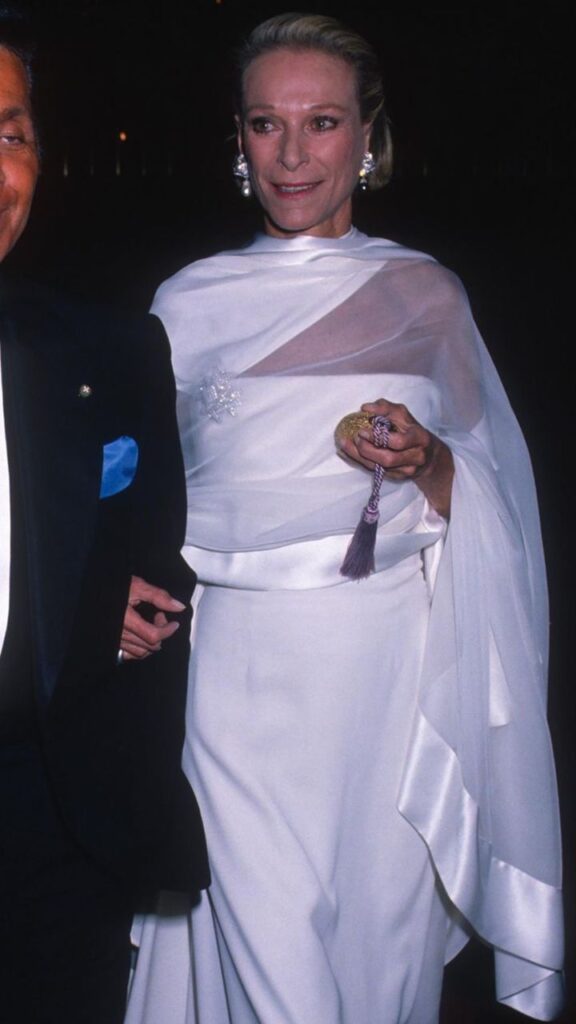
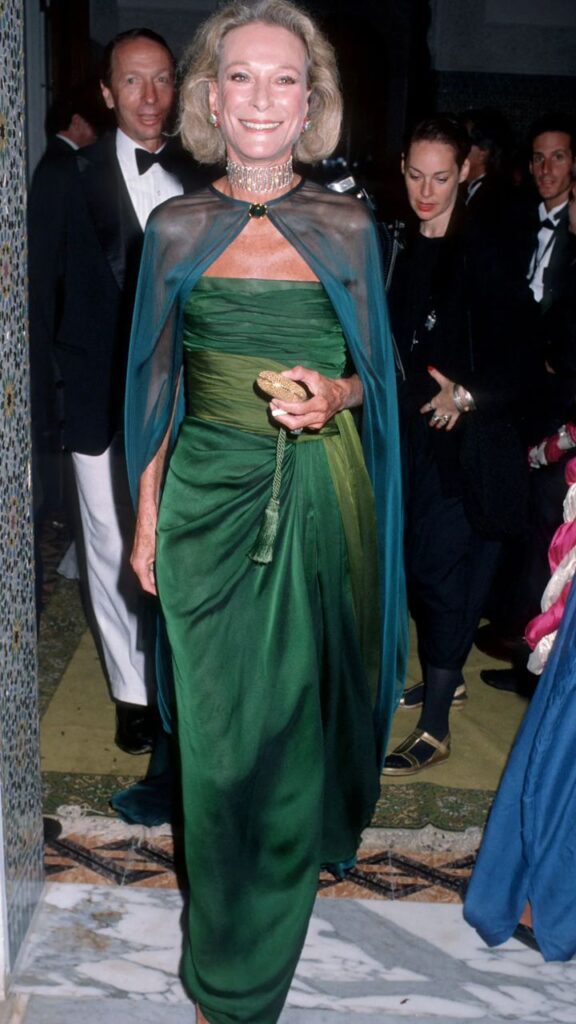
Kempner’s trajectory accelerated upon her marriage to investment banker Thomas L. Kempner in 1952, propelling her into the glittering orbit of New York society. Settling on Park Avenue, she became a fixture among the international elite, the “Cat Pack,” as Women’s Wear Daily christened the coterie of stylish socialites. Yet her distinction lay not in mere presence but in an encyclopedic command of fashion. Over five decades, she attended nearly every Paris Couture Week season (missing only one, upon her father’s death), amassing what curators would later describe as “archives in her closet.” Her collection, numbering thousands of garments and accessories-preserved mid-century masterpieces from designers whose technical virtuosity she revered: Mainbocher’s architectural precision, Bill Blass’s American polish, Valentino’s sculptural grace, and above all, Yves Saint Laurent’s visionary daring.
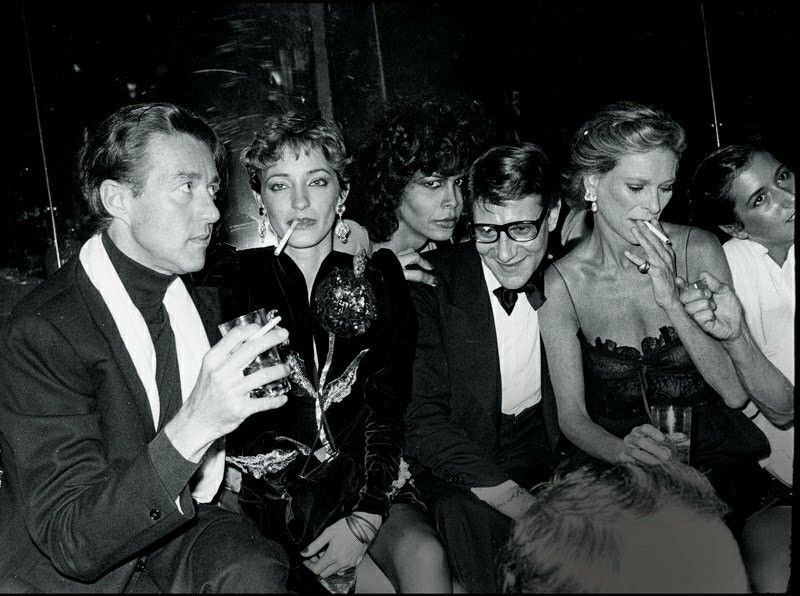
Saint Laurent himself proclaimed her “la plus chic du monde,” a testament to their profound creative symbiosis. Kempner acquired hundreds of his pieces, from groundbreaking le smoking suits to intricate evening gowns, wearing them with a nonchalant authority that amplified their modernity. Their bond was symbiotic: she embodied the liberated, independent woman his designs celebrated, while he found in her the perfect hanger for his silhouettes, slender, statuesque at five-foot-nine, and possessed of what Valentino aptly termed “a body like a hanger.” Her iconoclastic flair reached its apogee in the late 1960s, when she defied La Côte Basque’s no-pants policy by shedding her trousers and dining in nothing but the YSL le smoking jacket, a bold assertion of personal style over convention.
This fusion of European couture rigor with American pragmatism, pairing a tailored jacket with Levi’s jeans decades before it became commonplace, defined her “relaxed elegance.” Harold Koda, curator of the Metropolitan Museum of Art’s Costume Institute, noted that Kempner’s wardrobe merged ephemeral trends with museological preservation, reflecting a diaristic narrative of her life. Her discerning eye extended beyond acquisition; she served as a contributing editor for French Vogue, fashion editor at Harper’s Bazaar, design consultant for Tiffany & Co., and international representative for Christie’s, roles that cemented her as one of fashion’s most informed authorities.
KIn 2006–2007, the Metropolitan Museum honored this legacy with Nan Kempner: American Chic, displaying over 75 ensembles from her collection in thematic vitrines: resort wear, tailoring, eveningwear, accessories, and the wardrobe archive itself. The exhibition, later traveling to San Francisco’s de Young Museum, revealed not mere garments but a philosophy: true chic arises from individuality, impeccable craftsmanship, and the fearless integration of high and low. As Kempner once quipped, “I’m a drunk when it comes to clothes,” yet her excess was never frivolous; it was an act of curation, transforming wardrobe into wearable art.
Nan Kempner’s enduring influence resonates in today’s landscape, where authenticity yields to experimentation and escapism. Her ability to infuse haute couture with sportswear nonchalance prefigures contemporary luxury’s embrace of hybridity-couture for the everyday, elegance without rigidity.
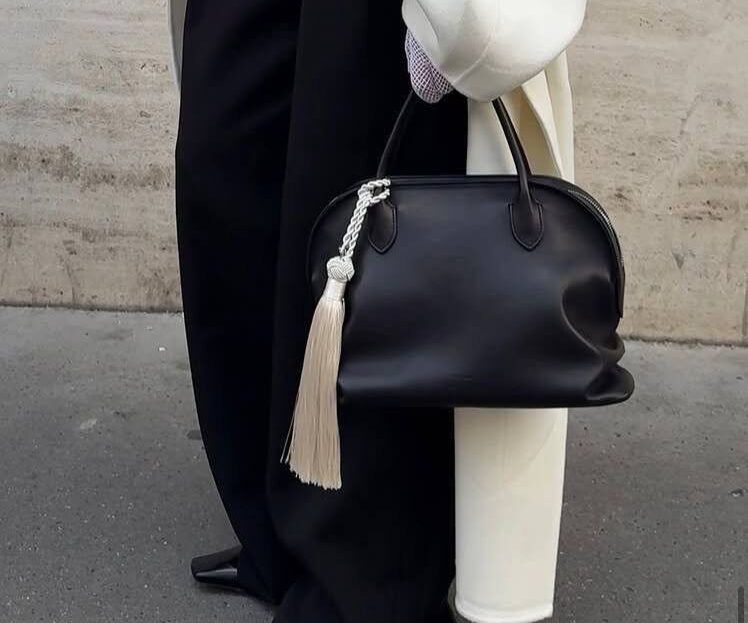
Explore her world through our curated selections, and let her quiet audacity inform your own wardrobe narrative