THE MOST FASCINATING JEWELRY COLLECTION : KAZUMI ARIKAWA
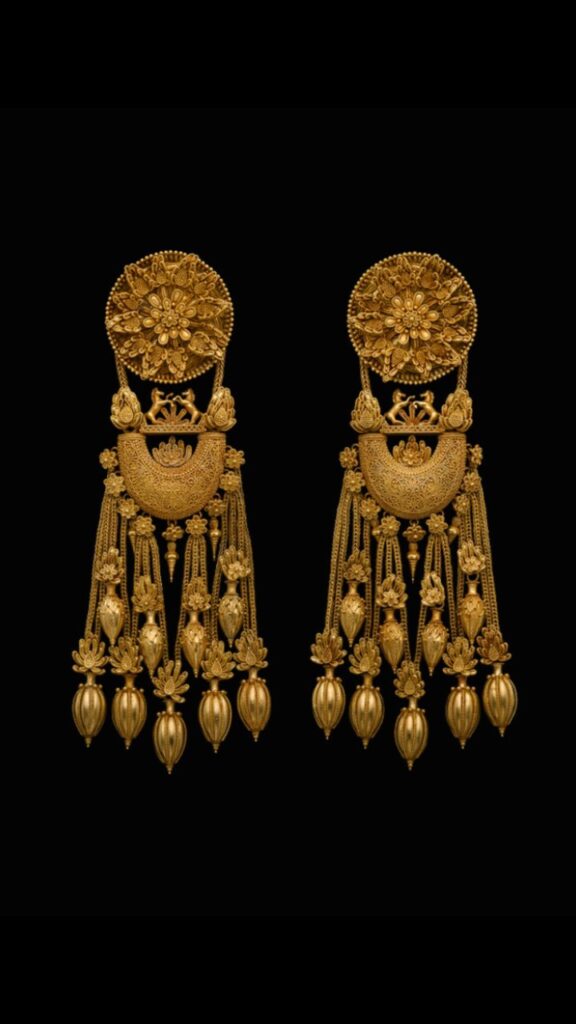
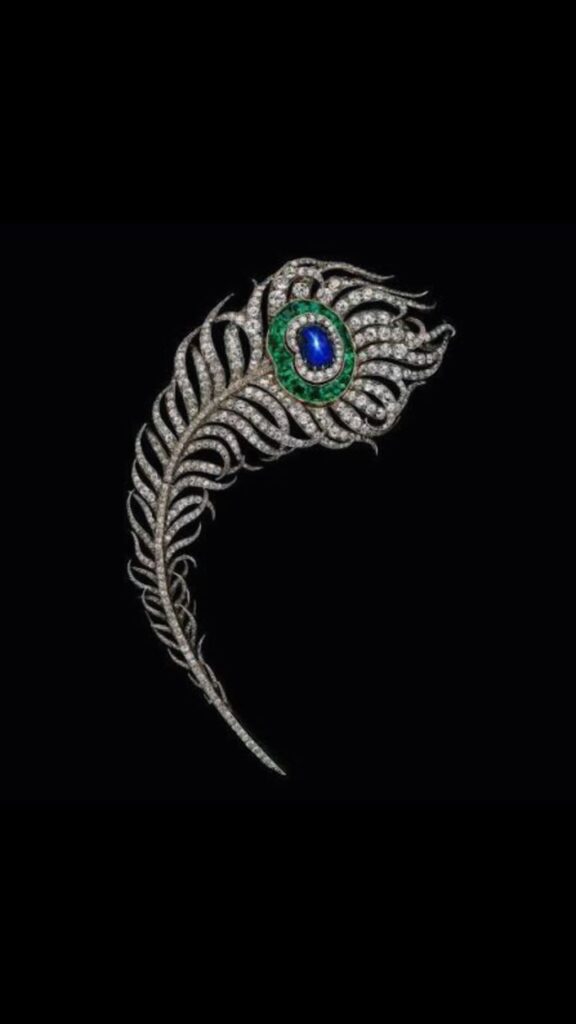
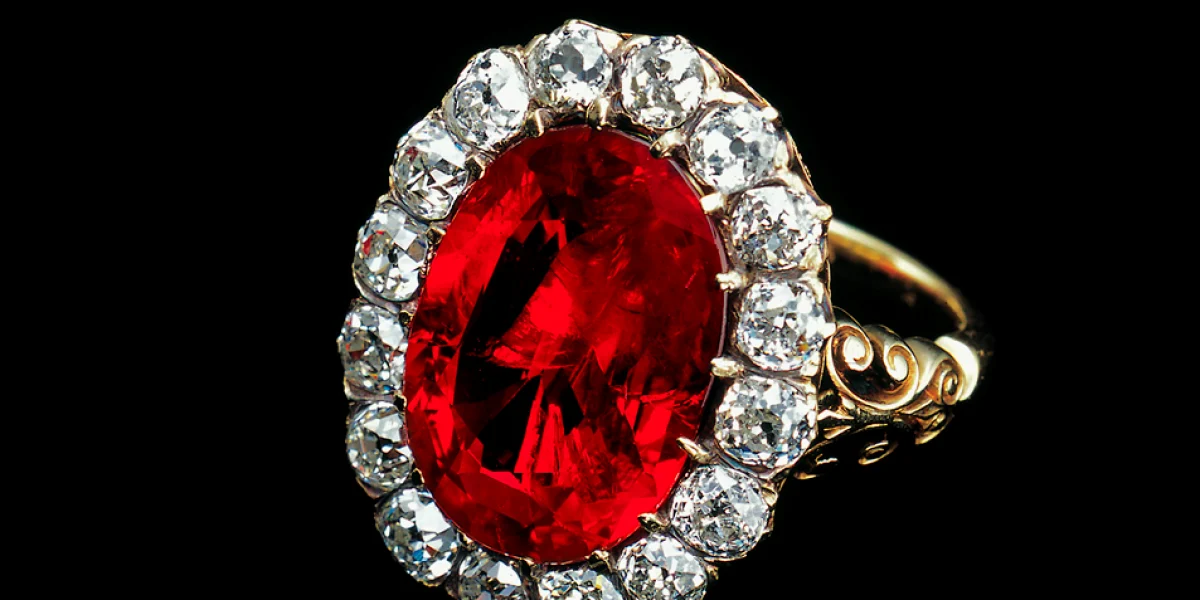
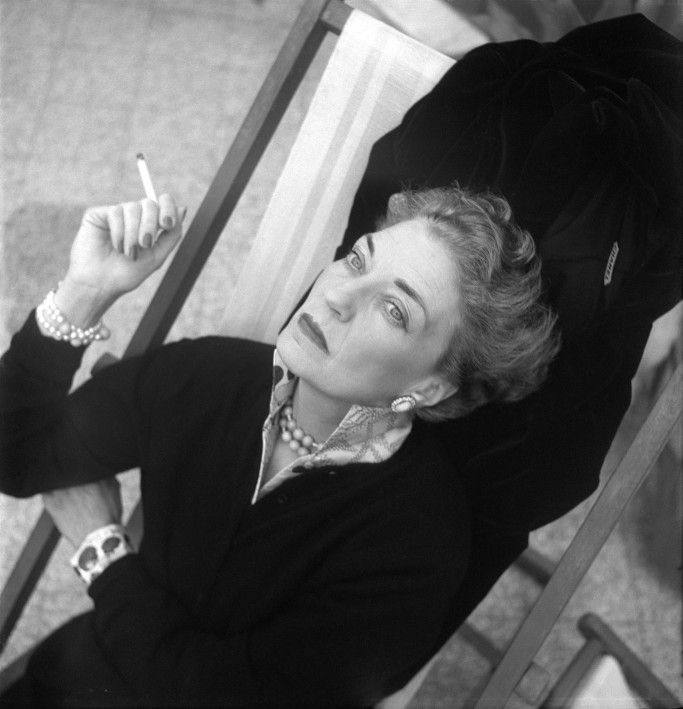
Kazumi Arikawa was not just a collector; he was a guardian of beauty. Over three decades, he gathered more than 800 exceptional pieces, from early Bronze Age relics to 1950s masterpieces, creating one of the most valuable private jewelry collections in the world, now worth over $500 million.
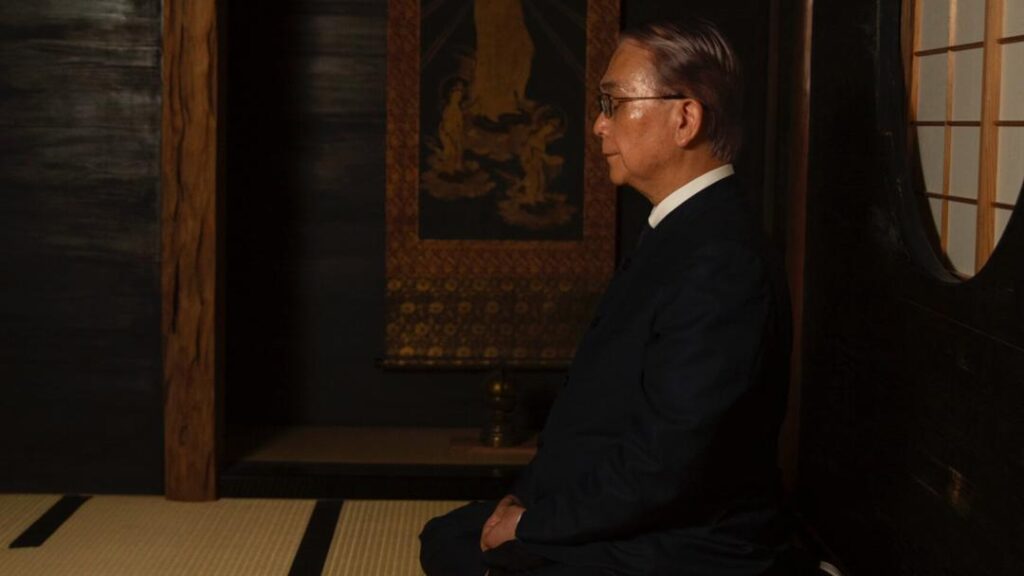
A former Buddhist monk, Arikawa, discovered his calling during a visit to the Victoria and Albert Museum in London.
His passion was not driven by luxury, but by meaning. “Beauty is essential,” he once said, “not superficial, not a luxury essential to our survival.”
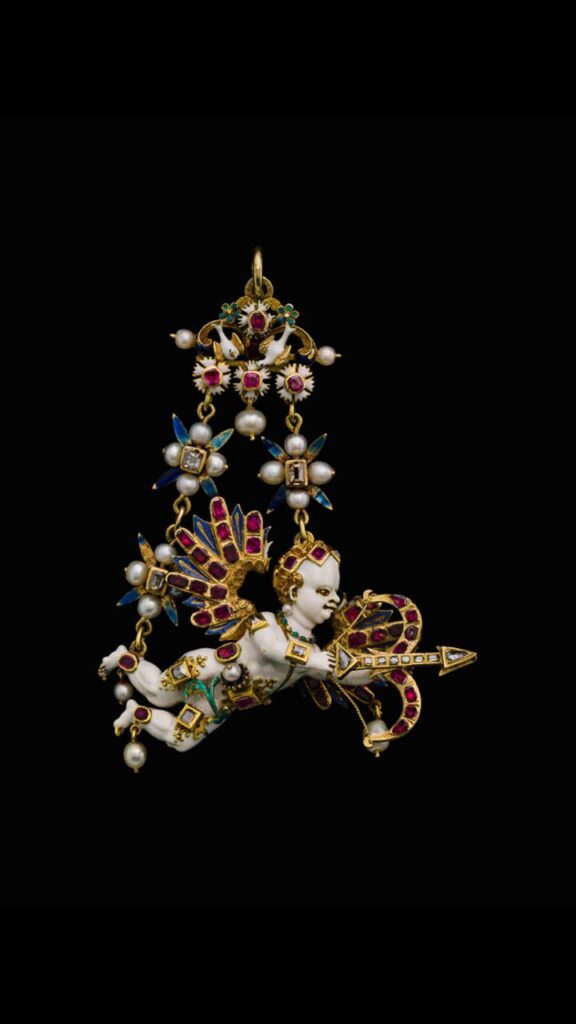
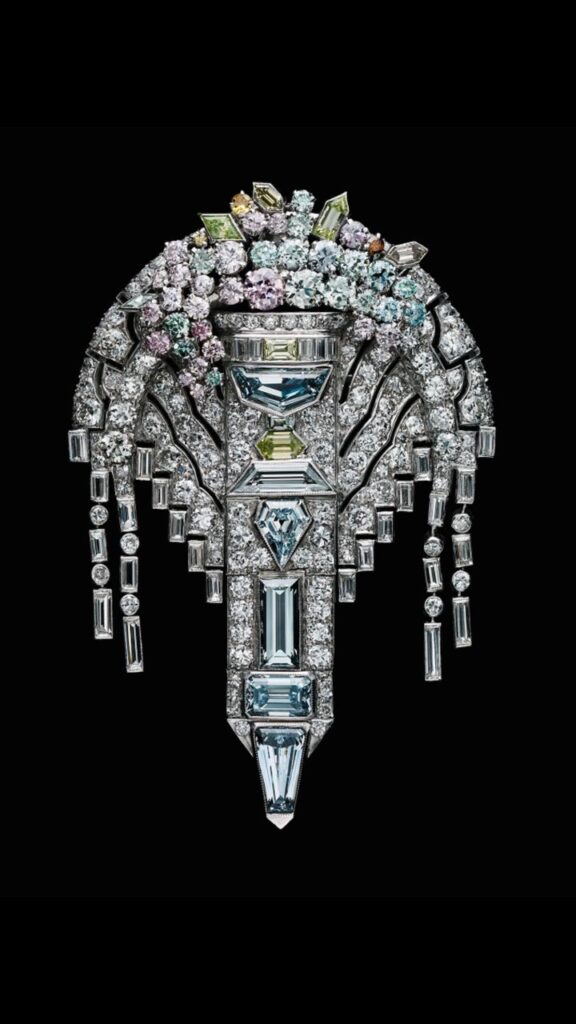
Among his most famous pieces are tiaras, royal jewels, and historical treasures that once adorned queens and empresses, each carrying the silent history of its maker and wearer. From the Imperial Russian aquamarine tiara by Koch (1910) to the Catherine of Russia Emerald Suite, and the Falize enamel bangle (1875), his collection spans cultures, centuries, and philosophies.
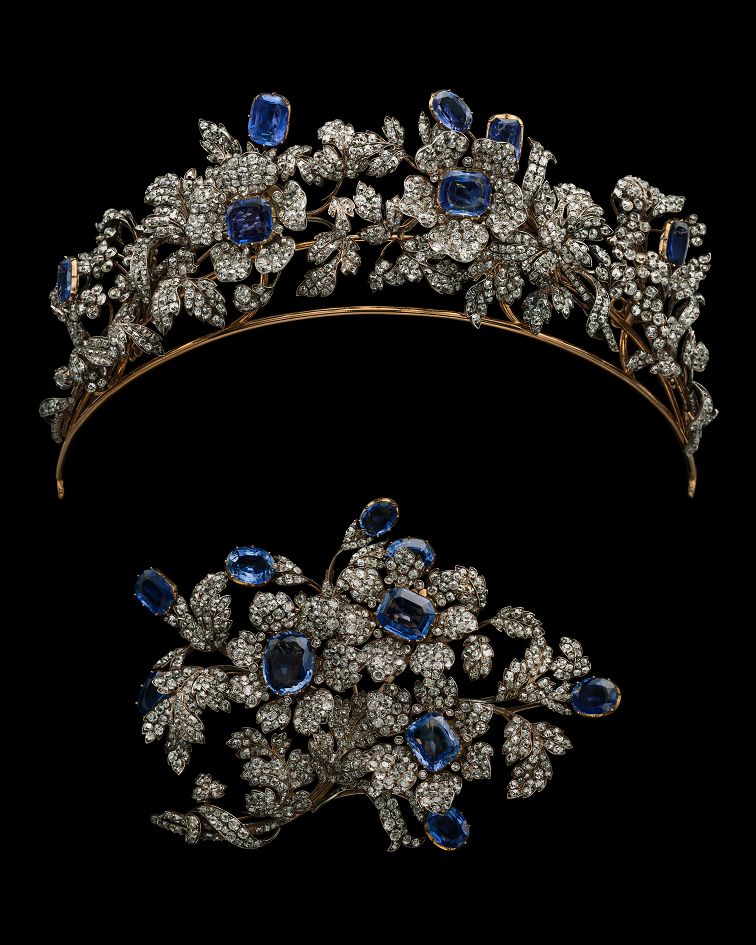
Royal House of Bayern sapphire and diamond parure Albion Art
Arikawa’s devotion to beauty was deeply spiritual. After meeting the Dalai Lama, he reflected:
“Bodhisattvas wear jewelry to remind us of beauty’s divine role to bring light from the true world into ours.”
In his Tokyo atelier, between a tea room and a meditation space, he welcomed historians and collectors to experience his pieces in a quiet ceremony, not as objects, but as living art.
“I collect, collect, collect,” he once said. “But as much as possible, I keep them for the future museum, to create happiness, culture, and beauty.”
Kazumi Arikawa’s life reminds us that jewelry, when born from passion and spirit, becomes more than adornment. It becomes a message that beauty, in all its forms, is sacred.