Some jewels don’t just shine: they carry centuries of power, passion, and story.
Each gem, once resting on the neck of a queen or the wrist of a muse, reminds us that beauty, when eternal, becomes history.
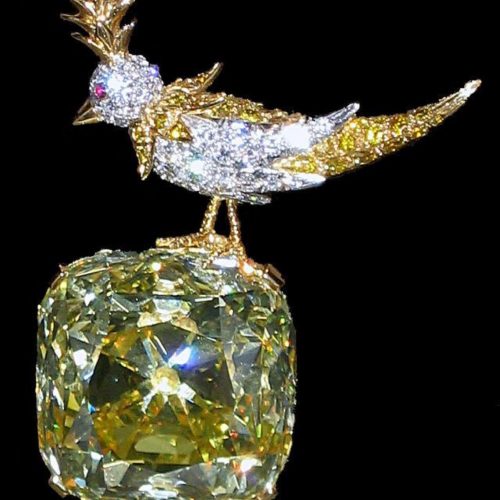
The Tiffany Diamond
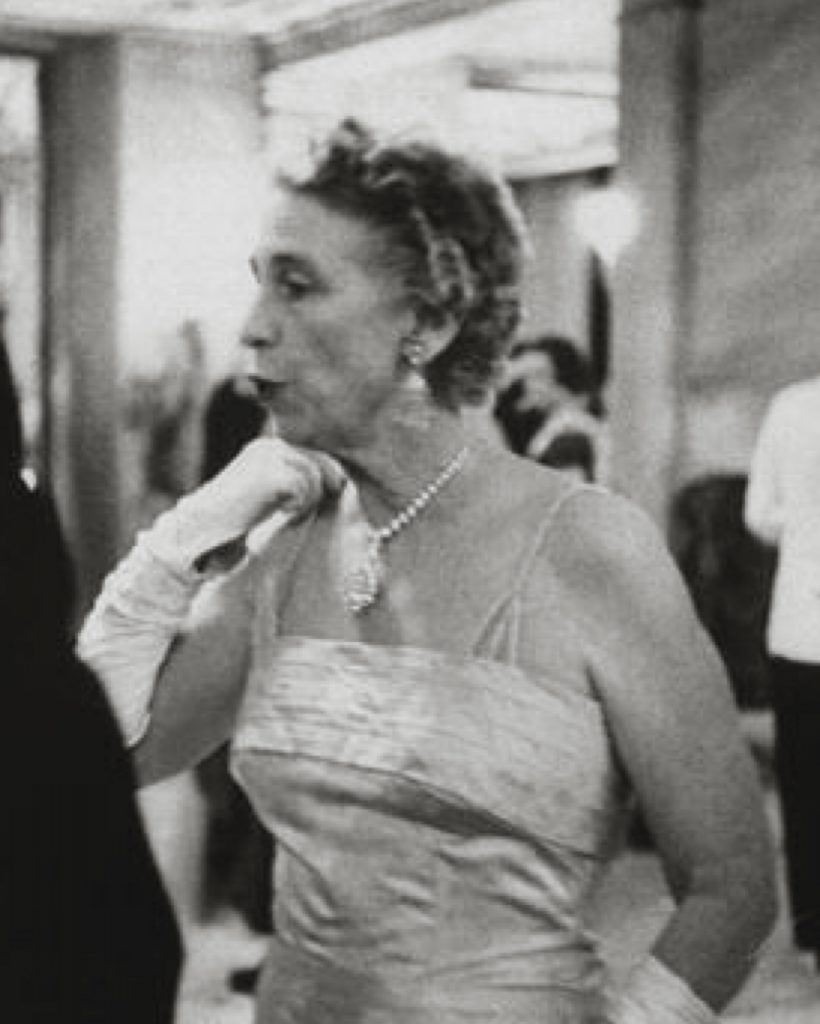
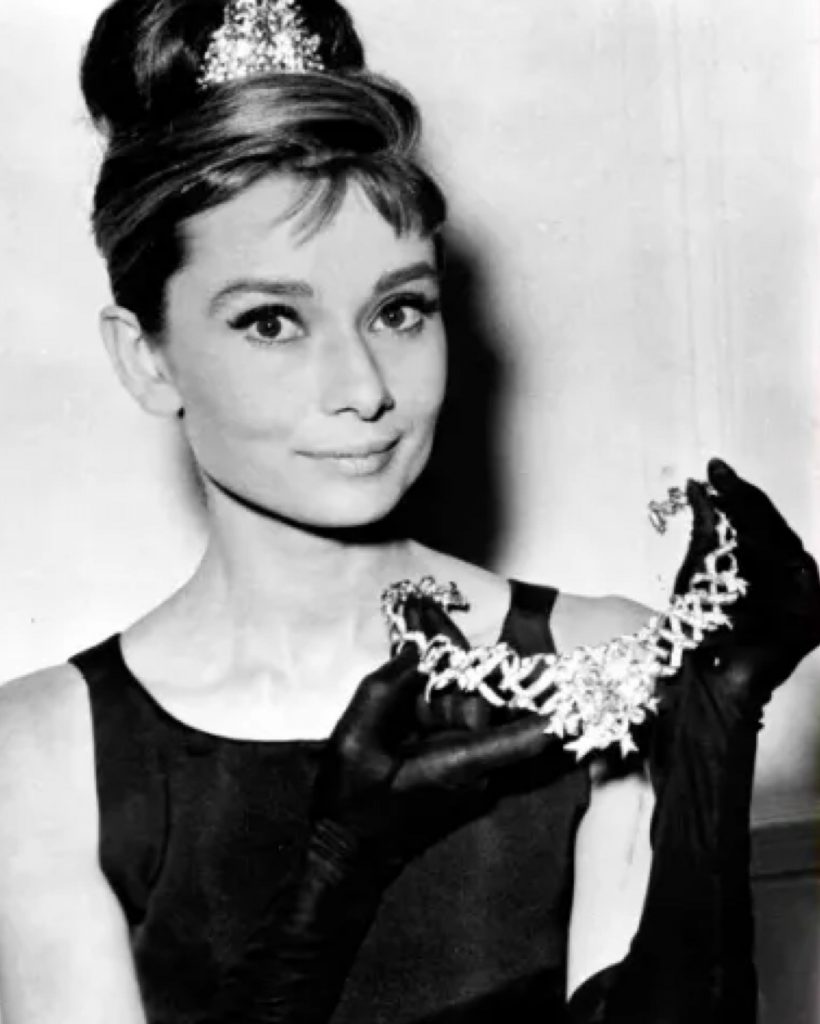
First worn in 1957 by American socialite Mrs. E. Sheldon Whitehouse at the Tiffany Ball, this extraordinary yellow diamond has since become one of the most iconic gemstones in modern history. In 1961, Audrey Hepburn wore it in the promotional images for Breakfast at Tiffany’s, redefining elegance for generations.
Tiffany & Co.
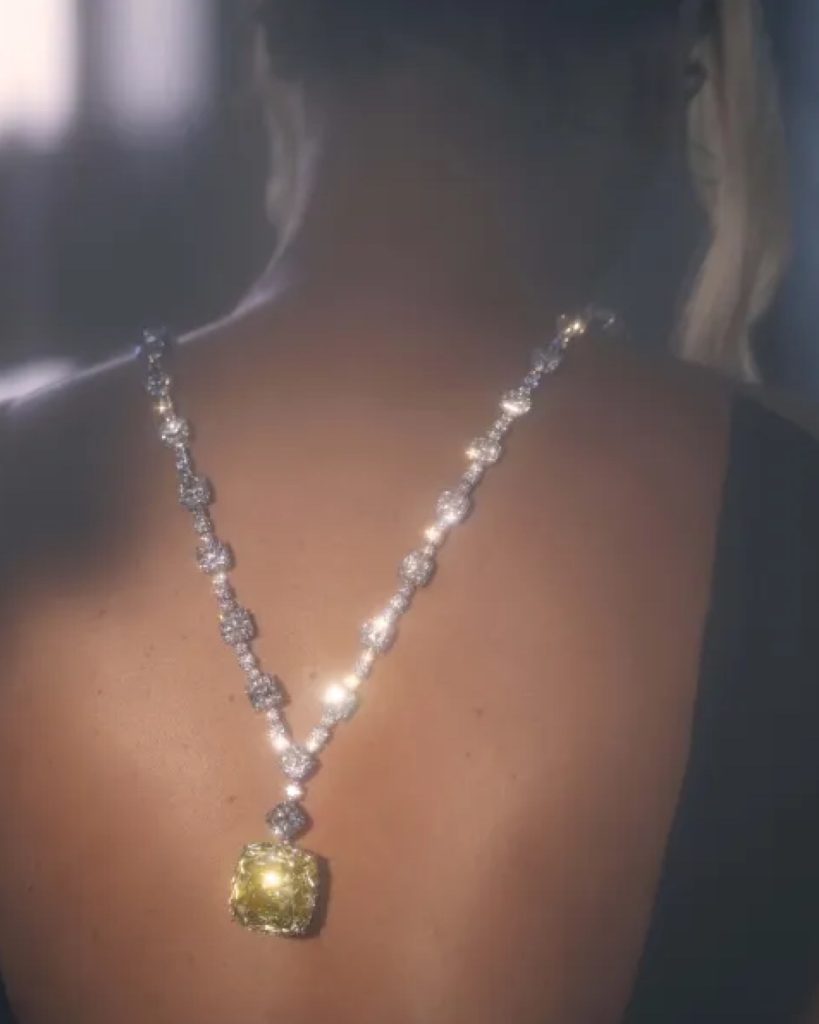
Almost sixty years later, at the 91st Academy Awards, Lady Gaga revived the diamond’s legend, pairing it with a sculptural black Alexander McQueen gown and leather opera gloves, reminding the world that sophistication can still shock. More recently, Beyoncé wore the same diamond in Tiffany & Co.’s campaign alongside Jay-Z, proving that heritage and modernity can coexist.
Today, the Tiffany Diamond rests in its permanent home, the flagship store of Tiffany & Co. in New York City, gleaming under its own legacy.
The Gilded Age Era
Shutterstock
Refinery 29
Tiffany & Co.
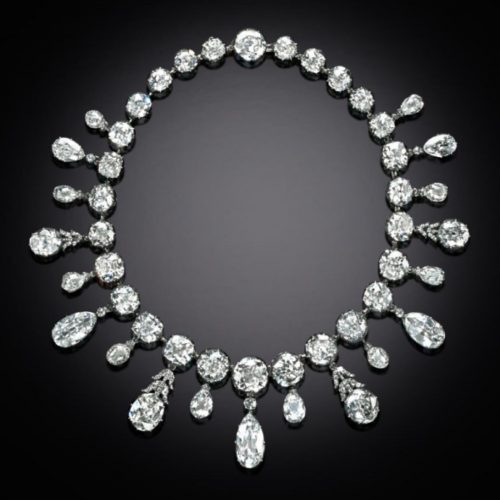
The Napoleon Diamond Necklace
Commissioned in 1811 by Napoléon Bonaparte for his empress Marie-Louise, this masterpiece was a celebration of both love and empire.
The necklace, composed of 234 diamonds, including 28 old mine cuts and 10 briolettes, was valued at the equivalent of her annual household budget.
It is one of those pieces that transcends jewelry: a royal declaration carved in light.
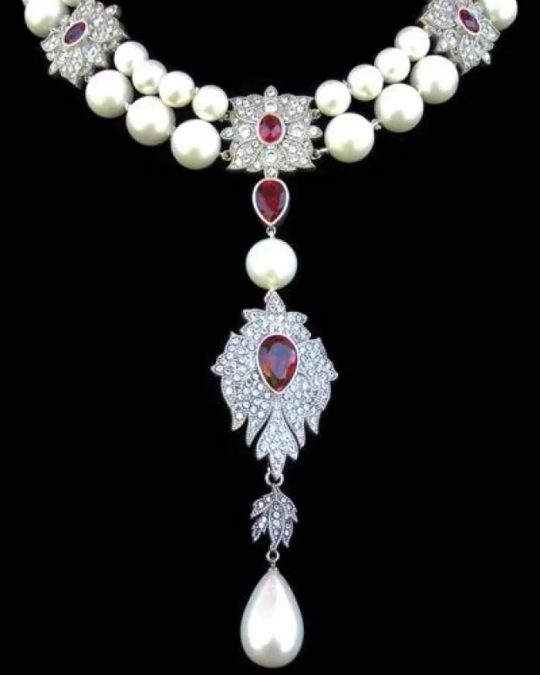
La Peregrina Pearl Necklace
Few jewels carry romance as vividly as La Peregrina, the famous 500-year-old pearl once owned by Spanish royalty and later, the great Elizabeth Taylor. Purchased by Richard Burton for $37,000 as a Valentine’s Day gift, it was later redesigned by Cartier into one of the most exquisite necklaces ever made. They had to drill into the massive pearl to secure it, a controversial act that, nonetheless, preserved it for eternity. La Peregrina remains a testament to love, luxury, and the allure of imperfection.
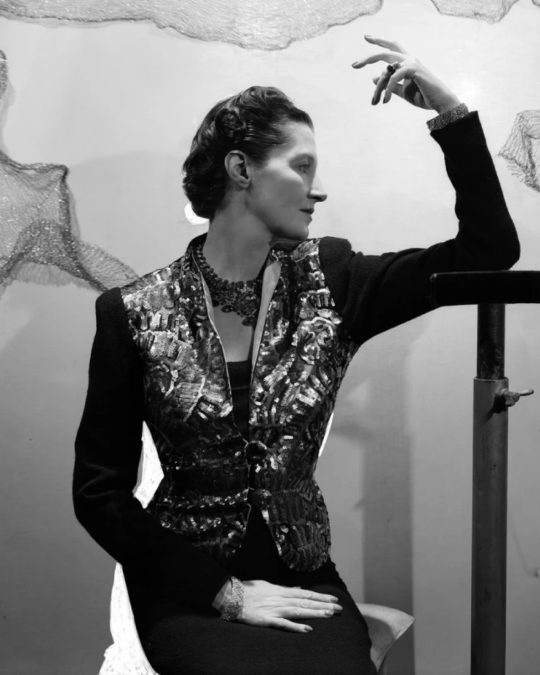
The Hindu Tutti Frutti Cartier Necklace
In the 1930s, French socialite and editor Daisy Fellowes was the embodiment of rebellion wrapped in couture. Known for her wit and fearlessness, she adored Cartier precisely because it led fashion, not followed it. Her commissioned piece, the Hindu Tutti Frutti Necklace, or Collier Hindou, became a vibrant masterpiece of sapphires, emeralds, rubies, and diamonds. It celebrated the fusion of Indian craftsmanship and Parisian artistry, an ode to color, freedom, and individuality.
After her death, the necklace returned to Cartier, where it still symbolizes the golden age of daring femininity.
Frombygone
Because jewels are not ornaments, they are chronicles of desire, legacy, and art.
Discover more stories of timeless beauty and craftsmanship on Classybyher.com