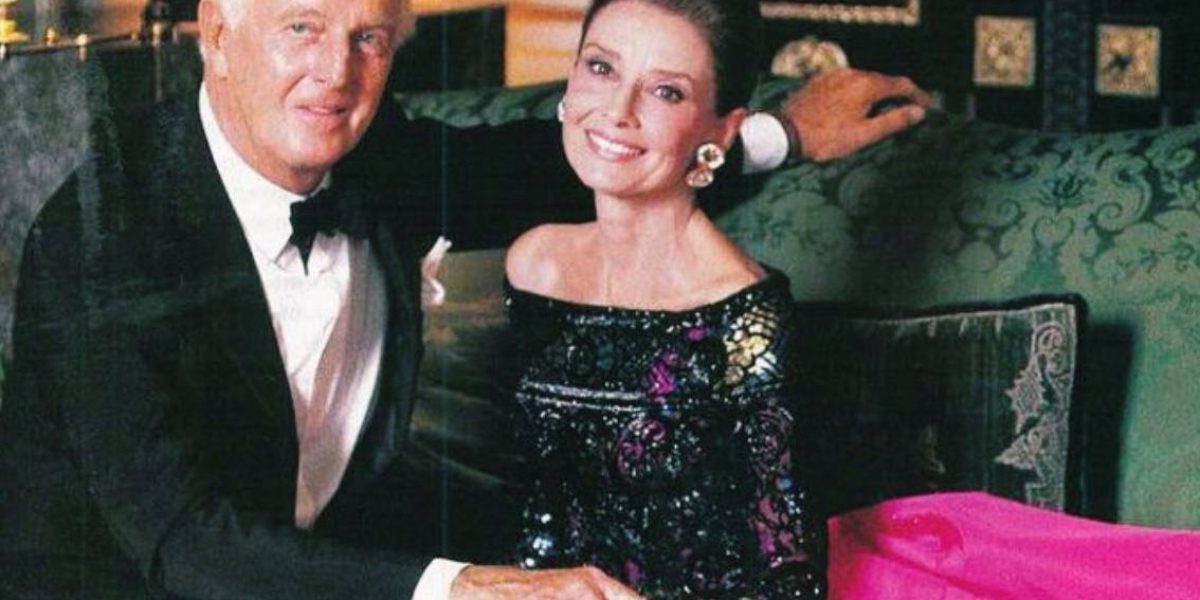
The muse is one of the most misunderstood figures in fashion. Reduced too often to appearance, proximity, or fantasy, she is mistaken for decoration rather than force. Yet history tells a different story.
Throughout history, fashion has been shaped by more than just designers; it has been influenced by muses, those rare and captivating figures who awaken creativity and leave an unforgettable mark on style. But what makes a muse truly special?
A muse is not simply seen. She is recognized. A muse isn’t just a model; they become part of the creative process itself. But why do we even call them muses? The word comes from Greek mythology.
This chapter unpacks what a muse truly is, where the concept comes from, why it has endured for centuries, and how certain women shaped fashion not by posing, but by being.
What Is a Muse, Really?
A muse is not selected for beauty alone. Designers have always been drawn to women who carry coherence between body, mind, values, and movement. What matters is not perfection, but alignment. A muse reflects something the creator already carries inside, often unconsciously.
This is why the relationship feels intimate without being romantic, intense without being possessive. Karl Lagerfeld once described it as “family without the burden of family.” Familiarity without obligation.
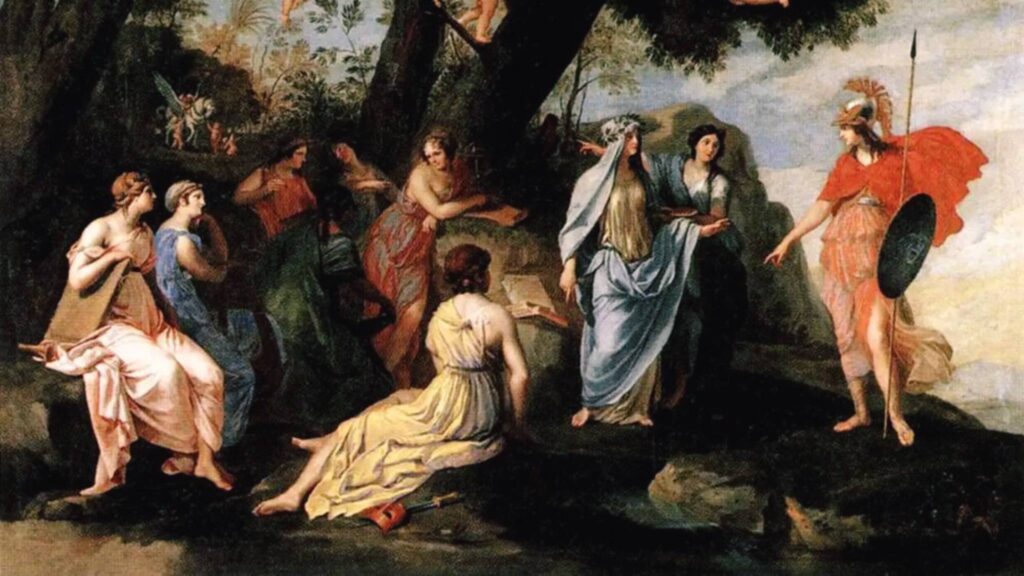
The Origin: Why We Call Them Muses
The word originates in Greek mythology. Zeus and Mnemosyne, goddess of memory, gave birth to nine muses, each governing a different art. Music, poetry, dance, history, astronomy. These figures were not passive beauties. They activated creation.
Artists did not own muses. They appealed to them.
This distinction matters. In mythology, those who attempted to compete with the muses were punished. The story of Pierus’ daughters and Thamyris reminds us that inspiration cannot be forced, challenged, or possessed.
Fashion’s Modern Muses: When Spirit Meets Form
Yves Saint Laurent & Betty Catroux
Betty Catroux hated the word “muse,” yet became the first officially labeled one. Her androgyny, discipline, and quiet rebellion embodied Saint Laurent’s vision of feminine freedom. She did not adapt to the clothes—the clothes adapted to her. Repetition made her iconic. Authenticity made it sustainable.
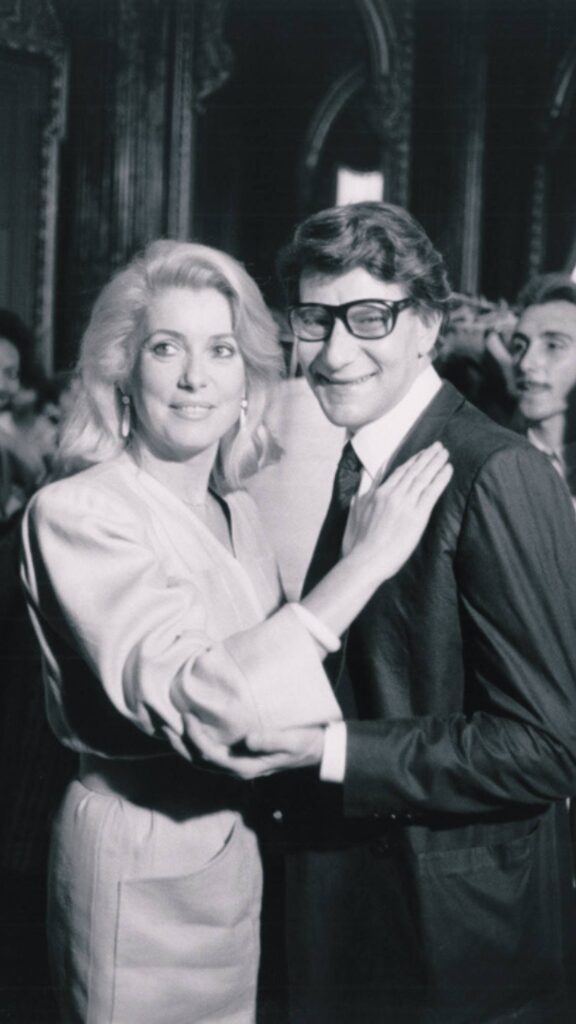
Yves Saint Laurent & Catherine Deneuve
Where Betty represented attitude, Deneuve represented purity. Her collaboration with Saint Laurent reached its peak in Belle de Jour. She transformed tailoring into sensual authority. Her restraint amplified power.

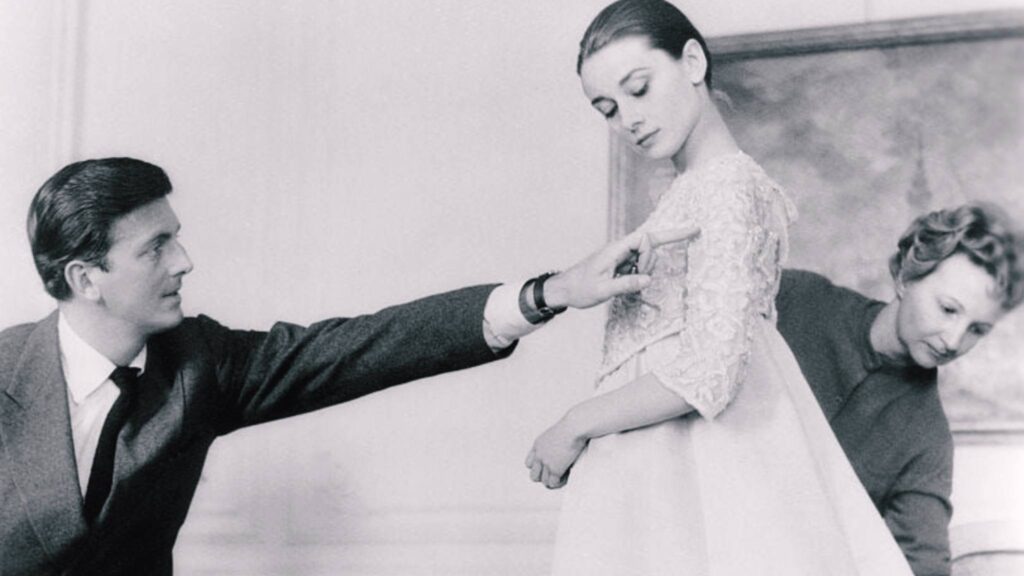
Hubert de Givenchy & Audrey Hepburn
This was not branding-it was recognition. Givenchy designed for her, not around her. Audrey famously called him the “creator of personality.” His lines echoed her elegance because they were born from her proportions, movement, and inner discipline.
Marc Jacobs & Sofia Coppola
In a contemporary world obsessed with performance, Sofia Coppola represents ease. Marc Jacobs admired her not for spectacle, but for taste, voice, rhythm, and restraint. She didn’t chase relevance; she embodied it. That is why the collaboration lasted decades.
The Muse Is Not Manufactured
Originality plus visibility can create an icon. But a muse cannot be engineered. Designers are drawn to women who repeat themselves naturally, values, silhouettes, colors, gestures, without self-consciousness. Confidence appears when someone stops trying to perform.
The muse doesn’t ask to be seen. She is. And often, she discovers her power only after the world responds.
The full story from the mythology and marvelous stories of the muses, the way it got to most famous couture houses, is all described in the video below.